Wheelchair positioning features can affect much more than how a chair looks or feels. For people who spend extended periods in a wheelchair, the ability to change position may support posture, comfort, pressure management and participation in everyday activities.
Terms such as tilt and space wheelchair, recline and elevating leg rests are sometimes used interchangeably, but each feature changes the seating system differently. Understanding these differences can help wheelchair users, families and caregivers participate more confidently in equipment assessments and product discussions.
These features are not appropriate for every person or wheelchair. Their selection and use should be based on an individualized assessment with qualified healthcare and mobility-equipment professionals.
What Is a Tilt-in-Space Wheelchair?
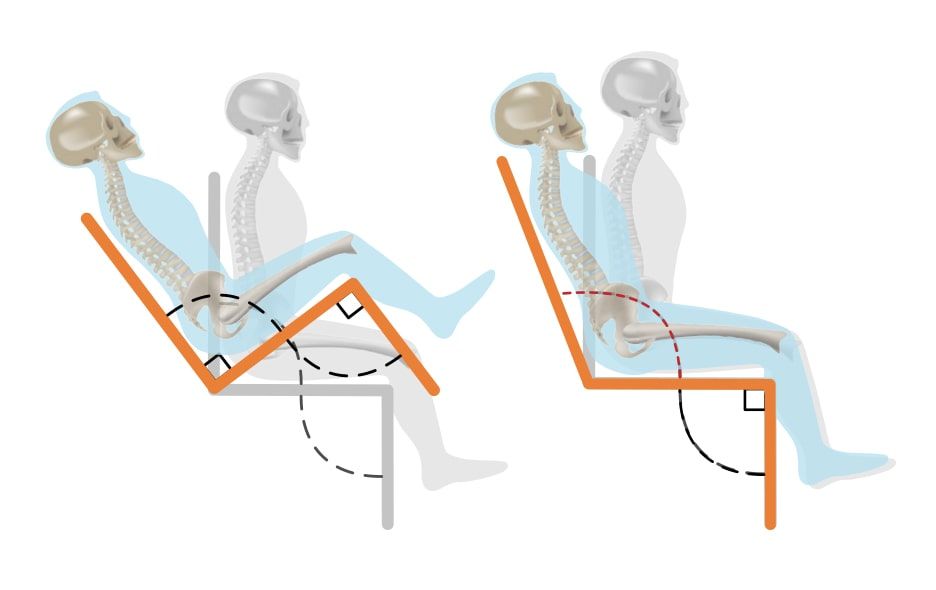
A tilt wheelchair changes the orientation of the complete seating system. The seat and back support move backward together while maintaining a relatively consistent angle between the user’s torso and thighs.
Because the user remains supported by the cushion and backrest as the seating system tilts, this feature may help:
- Change how pressure is distributed across the seated surfaces
- Support the pelvis and trunk in a more stable position
- Assist with fatigue management
- Make it easier for some users to remain positioned in the wheelchair
- Provide opportunities to change orientation throughout the day
- Support certain caregiving and daily activities
Tilt-in-space may be especially relevant when a wheelchair user cannot independently complete an effective weight shift. However, the amount and duration of tilt needed to pursue a particular positioning goal must be individually determined.
What Is Wheelchair Recline?
A reclining wheelchair changes the angle between the seat and the back support. As the backrest moves backward, the user’s hip angle opens.
Recline may be considered when someone needs to:
- Change their hip or trunk position
- Rest in a more open posture
- Accommodate limitations in hip movement
- Assist with certain transfers or personal-care activities
- Manage comfort during extended wheelchair use
Unlike tilt, recline introduces movement between the user and the seating surfaces. If the pelvis slides or the back moves against the back support, friction and shear may become concerns. The wheelchair’s cushion, back support, head support and leg-rest configuration must therefore be considered together. Users and caregivers should receive instructions on how and when prescribed positioning functions should be operated.
Tilt Versus Recline: What Is the Difference?
The simplest distinction is what happens to the user’s hip angle:
- Tilt-in-space: The seat and back move together, so the hip angle remains relatively consistent.
- Recline: The back support moves relative to the seat, increasing the hip angle.
Neither function is universally better. Tilt may offer greater postural stability for some users, while recline may be important when a change in hip angle is required. Certain wheelchairs combine both functions to address multiple positioning goals.
According to the Rehabilitation Engineering and Assistive Technology Society of North America, tilt, recline and elevating leg rests may support positioning, pressure redistribution, transfers, comfort and functional activities for appropriately assessed wheelchair users. RESNA also emphasizes professional assessment, training and safety precautions. Read RESNA’s wheelchair-positioning guidance.
Understanding Elevating and Articulating Leg Rests
Standard footrests hold the feet at a selected height but generally do not allow the legs to be raised substantially. Elevating leg rests allow the lower legs to move into a more extended position. Some systems also use articulating leg rests. As these supports elevate, they extend outward to better accommodate the changing distance between the knee and the foot. This may help reduce unwanted pressure behind the knees or changes in foot position.
Depending on the individual and the complete seating configuration, these features may help accommodate restricted knee movement, provide leg support or assist with certain positioning objectives. Simply raising the leg rests, however, does not guarantee effective swelling or pressure management. The user’s posture, hip position and overall wheelchair setup must still be evaluated.
Manual and Powered Positioning Features
Tilt, recline and leg-support functions may be manually or electronically operated. A caregiver commonly activates manual positioning systems using a lever or mechanical release. Powered systems may allow the wheelchair user to adjust their own position through the chair’s controls, depending on their abilities and equipment configuration.
Independent control can make position changes more practical throughout the day, but powered seating also adds weight, electronics and operational considerations. The user must be able to access and safely manage the controls, or an appropriate attendant-control system may be required.
Positioning Features Must Work with the Complete Seating System
Advanced functions cannot compensate for an unsuitable cushion, poorly fitted back support or incorrect wheelchair dimensions. The chair’s seat width and depth, cushion, backrest, head support, arm supports, foot supports and drive controls should work as one coordinated system.
Our guide to wheelchair cushions and back supports explains why the seated position begins with an appropriately selected foundation. Positioning needs may also change over time. Changes in posture, strength, range of motion, skin condition, body size, daily routine or caregiver support may signal that a seating review is needed.
Why an Individual Assessment Matters
A wheelchair assessment may consider the user’s posture, movement, pressure-management needs, transfers, daily activities, home environment, transportation and ability to operate different functions safely.
Ontario’s Assistive Devices Program recognizes wheelchairs and positioning devices as distinct mobility-equipment categories. Funding eligibility and the equipment that may qualify depend on an assessment and the program’s requirements. UHP’s guide to ADP Funding Ontario provides an introduction to the process.
Explore Wheelchair Positioning Options in Windsor
Tilt, recline and elevating leg rests serve different purposes. The right configuration depends on how the individual sits, moves, transfers and participates in everyday life. Universal Health Products helps wheelchair users, families and caregivers throughout Windsor and Essex County explore the right options suited to their individual requirements.