A lift chair can make everyday sitting, standing and resting feel more manageable—but only when it fits the person using it. Choosing by colour, fabric or a single feature can leave someone with a chair that feels uncomfortable, is difficult to operate or does not suit their usual transfers.
For families comparing lift chairs for seniors, the best choice is one that matches the user’s body, mobility, daily routines and available space at home. Seat height, width, depth and recline options all deserve attention before deciding.
Start With the Person, Not the Chair
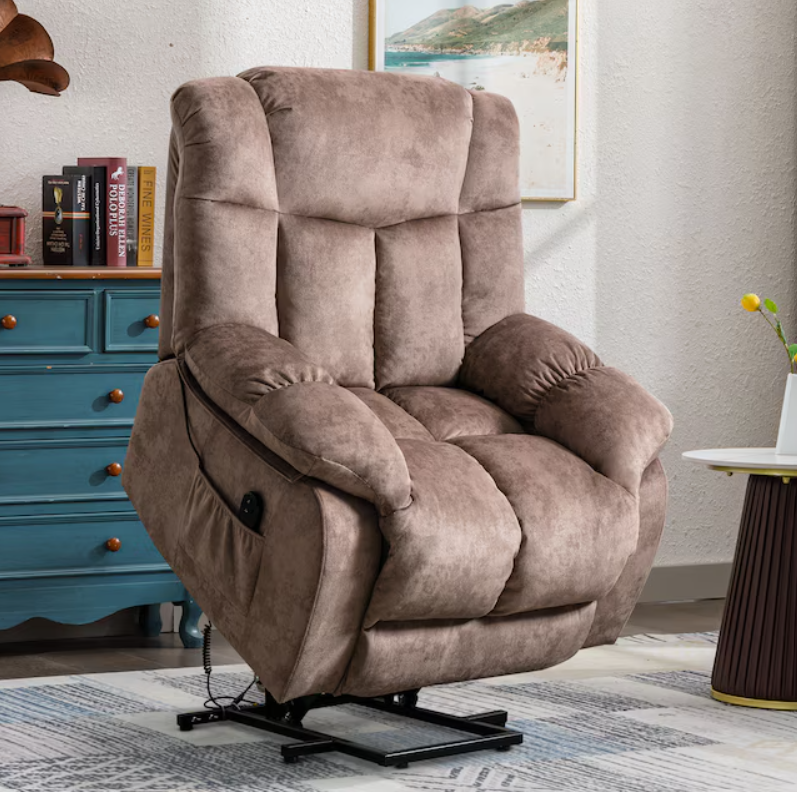
A power lift recliner looks similar to a standard recliner, but its powered lift function raises and tilts the chair forward to assist with the transition from sitting to standing. The goal is not simply to buy a chair with the most features. It is to find one that feels supportive, intuitive and practical for the individual.
Consider how the person normally sits down, rises from a chair and spends time relaxing. Someone who reads for hours may value a different recline range than someone primarily looking for help with transfers. A person using a walker or wheelchair may also need clear room around the chair to approach and leave it comfortably.
Seat Height Affects Everyday Transfers
Seat height is one of the first details to review. As a general starting point, the user should be able to sit with their feet supported on the floor and their back comfortably against the backrest. A seat that is too high may leave the feet unsupported, while one that is too low may make standing or repositioning more difficult.
The lift function is designed to assist the movement from sitting to standing, but it does not make fit irrelevant. The person still needs to feel stable and comfortable throughout the chair’s range of motion.
When trying a chair, pay attention to:
- Whether both feet reach the floor naturally
- How the knees and hips feel in the seated position
- Whether the armrests are easy to reach
- How easily the user can position themselves before activating the lift
- Whether the lift motion feels controlled and comfortable
Individual needs can change after surgery, during recovery or as mobility changes over time. In those situations, a product assessment and, where appropriate, clinical guidance can help families make a more informed decision.
Seat Width, Depth and Armrests Matter Too
A chair can feel wrong even when its seat height is appropriate. Width and depth affect how well the body is supported and whether the controls, armrests and backrest remain within comfortable reach.
A seat that is too narrow may feel restrictive. One that is too wide can make the armrests difficult to use for support. A seat that is overly deep may leave the user sitting forward from the backrest instead of fully supported.
Look for a chair that allows the user to sit back comfortably without feeling crowded or having to stretch for the remote. Armrests should offer a natural place to rest the arms and may be important when preparing to stand or transferring to a walker.
Choose Recline Positions Around Real Routines
Lift chairs vary in the positions they offer. Some models provide a more limited range for sitting, lifting and basic relaxation, while others allow a broader range of recline and leg-rest adjustments.
The best option depends on how the chair will actually be used. Think about the person’s regular routines:
- Reading or watching television
- Resting during the day
- Changing position for comfort
- Raising the leg rest
- Reaching a side table, phone or remote
- Getting up independently or with assistance
A more adjustable chair is not automatically the best fit. Controls should be easy to understand, and the available positions should support the person’s preferred activities. Features such as heat, massage, USB charging or side pockets may be appealing, but they should remain secondary to fit, comfort and reliable operation.
Remember to Measure the Room
A lift chair needs room behind and in front of it, particularly when reclining or lifting. Before selecting a model, measure the intended space and consider nearby walls, tables, outlets, pathways and doors.
Also think about the route into the home. Hallways, doorways, stairs and tight corners may affect delivery and placement. If the user relies on a walker or wheelchair, leave enough clear space to approach the chair without creating a new obstacle in the room.
Try Before You Decide
An in-person trial can reveal details that measurements alone may miss. Before purchasing, take your time and ask yourself:
- Does the seat height feel natural?
- Are the seat width and depth comfortable?
- Can the user reach the controls easily?
- Do the armrests provide useful support?
- Does the chair’s lift and recline motion suit the user?
- Is there enough room for the chair to operate at home?
- Will the fabric and controls fit the household’s daily needs?
For anyone researching lift chairs in Windsor, trying different models and discussing the user’s routines can make the decision far more straightforward.
Universal Health Products helps families in Southern Ontario compare lift/recline chairs based on comfort, fit, mobility and home layout. Visit our Windsor or Chatham showroooms, or call us to explore options with knowledgeable local guidance.