Bathrooms can become challenging when balance, strength, flexibility or mobility begins to change. Wet surfaces, limited room to manoeuvre, low toilet seats and bathtub walls can make ordinary routines more demanding than expected.
The right bathroom safety products for seniors can provide more stable support, reduce unnecessary physical effort and help people complete personal-care routines with greater confidence. It is best to consider these changes proactively rather than waiting for a fall or close call.
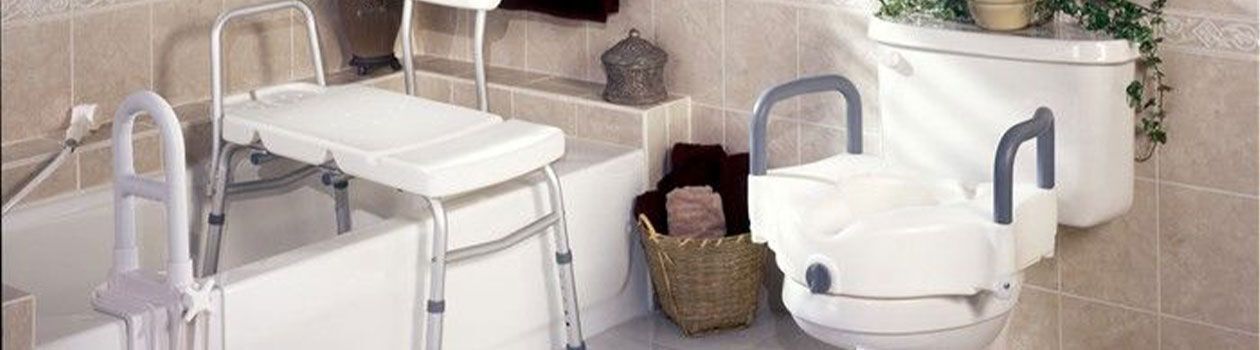
Start With Secure Grab Bars
Grab bars provide a stable handhold when entering a shower, stepping over a bathtub wall or sitting down and standing up near the toilet. They are available in different lengths, shapes, finishes and grip styles, but placement is just as important as the bar itself.
A towel rack should never be treated as a grab bar. It may not be designed or installed to support a person’s weight. A proper grab bar must be compatible with the wall and securely mounted using an appropriate installation method.
The ideal location and angle will depend on:
- The person’s height and natural movement pattern
- Whether they stand, pivot or transfer from a mobility device
- The location of the toilet, tub or shower controls
- Available wall structure and mounting surfaces
- Whether a caregiver provides assistance
A product that is secure but placed outside the user’s natural reach may offer limited practical value.
Consider Shower Chairs and Bath Benches
Standing for an entire shower can be tiring for someone with reduced endurance, lower-body weakness or balance concerns. A shower chair or bath bench creates a seated bathing option, but it must fit both the user and the available space.
Important features may include adjustable legs, non-slip feet, drainage openings, arm supports and a backrest. Seat width, weight capacity and the user’s ability to sit down and stand up should all be considered.
Some shower chairs are designed for compact shower enclosures, while other benches require more floor space. Before choosing shower safety equipment, measure the bathing area and note the position of doors, taps, controls and built-in ledges.
When Is a Transfer Bench Helpful?
A transfer bench extends partly outside and partly inside a bathtub. This allows the user to sit down before moving across the tub wall, rather than stepping completely over it while standing.
Transfer benches can be especially useful when lifting the legs, balancing on one foot or managing a high bathtub edge has become difficult. However, they require sufficient room outside the tub and must be positioned carefully around shower doors, curtains and nearby fixtures.
The person’s transfer method also matters. Someone transferring from a wheelchair may require different space and positioning than someone approaching with a walker. Caregiver access should be considered when regular assistance is part of the routine.
Add Support Around the Toilet
Low toilet seats can make sitting down and standing up physically demanding. Depending on the individual, possible supports may include a raised toilet seat, toilet safety frame or another securely fitted toilet aid.
A raised seat reduces the distance a person must lower and lift their body. Arm supports can provide additional leverage, but the equipment must be stable and compatible with the toilet’s dimensions.
Before selecting a toilet aid, consider:
- The user’s seated height and foot position
- Available space beside the toilet
- Whether armrests could interfere with transfers
- The product’s attachment method and weight capacity
- Cleaning and personal-care requirements
Extra height is not automatically better. A seat that leaves the user’s feet poorly supported may make positioning or transfers more difficult.
Do Not Overlook the Rest of the Bathroom
Equipment works best as part of a complete bathroom-safety plan. Health Canada recommends measures such as using a bath seat when needed, installing grab bars near the toilet and bath, improving traction and wiping up moisture promptly.
Additional practical changes may include:
- Removing unsecured rugs or other tripping hazards
- Adding slip-resistant surfaces in wet areas
- Improving lighting, particularly for nighttime bathroom visits
- Keeping towels and bathing products within comfortable reach
- Creating a clear route from the bedroom to the bathroom
- Using an accessible handheld shower control when appropriate
These changes cannot eliminate every possibility of a fall, but they can address several common environmental hazards.
Choose Bathroom Aids Around the Individual
The most appropriate bathroom aids in Windsor will depend on more than age or a general product recommendation. The person’s mobility, balance, strength, transfer method, bathroom dimensions and caregiver involvement should be considered together.
Needs may also differ during short-term recovery and long-term aging in place. When balance or transfer ability has changed significantly, input from a qualified healthcare professional, such as an occupational therapist, may help identify suitable strategies.
Universal Health Products helps Windsor-Essex residents explore bathroom safety and daily-living equipment based on their routines, space and individual needs. Visit UHP at 635 Tecumseh Road West, Windsor, or call (519) 258-6717 to discuss practical options for a safer, more comfortable bathroom.