For many individuals and families across Ontario, purchasing mobility or accessibility equipment can feel overwhelming — especially when dealing with unexpected health changes, recovery periods, or long-term mobility challenges.
Ontario’s Assistive Devices Program (ADP) may help eligible residents pay for specific equipment and supplies associated with long-term physical disabilities. This guide explains the main requirements, funding arrangements and exclusions. Short-term recovery needs or a product’s accessibility benefits do not automatically make it eligible for ADP funding.

What Is the Assistive Devices Program (ADP)?
The Assistive Devices Program is an Ontario government program that helps eligible people with long-term physical disabilities obtain approved assistive equipment and supplies.
Funding depends on the device category. ADP may pay 75% of an approved price, contribute up to 75% of an approved maximum amount, or provide a grant. This does not necessarily mean 75% of a product’s retail price or the entire purchase package. For approved mobility aids, eligible recipients of Ontario Works, the Ontario Disability Support Program or Assistance for Children with Severe Disabilities can receive 100% coverage of the ADP-approved cost. Items outside ADP coverage remain separate expenses.
Who Qualifies for ADP Funding?
Requirements vary by device category. Generally, applicants must:
- Be an Ontario resident.
- Have a valid Ontario health card.
- Have a physical disability requiring the equipment or supplies for six months or longer.
- Meet the clinical requirements for the specific device category.
ADP does not consider income when determining general eligibility. Having a diagnosis alone does not establish that a particular product qualifies.
You generally cannot receive ADP funding for the same equipment already covered through the Workplace Safety and Insurance Board, or through Veterans Affairs Canada as an eligible Group “A” veteran.
What Types of Equipment May Be Covered?
Within its mobility category, ADP may help fund approved:
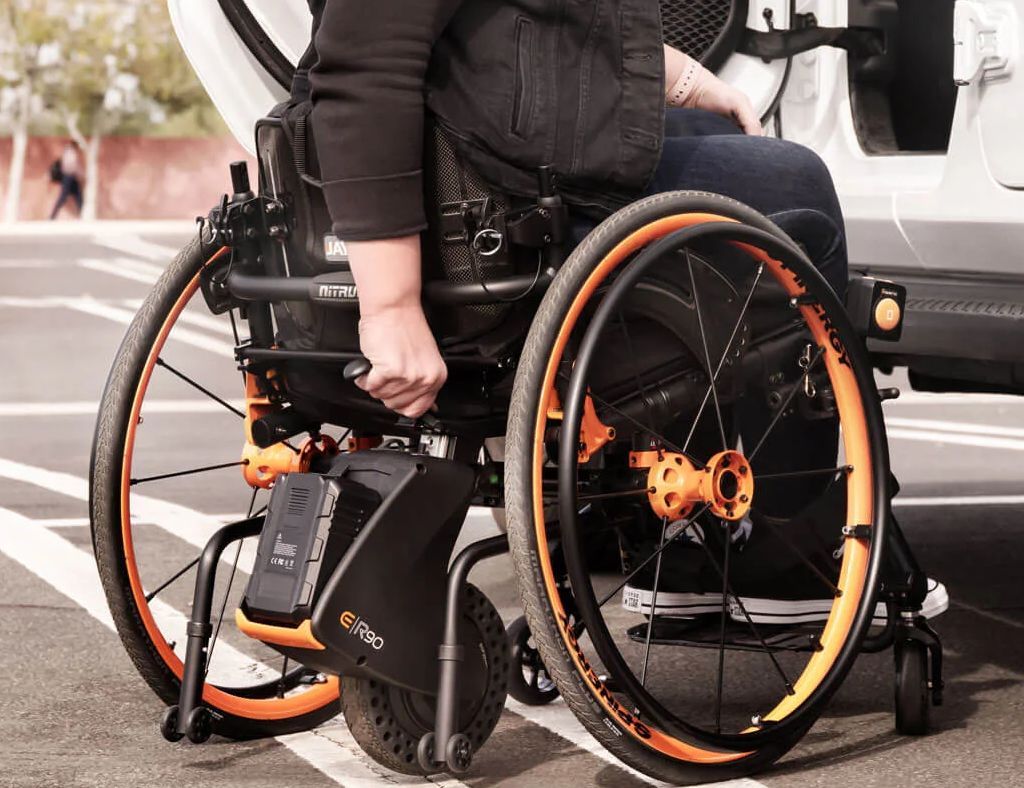
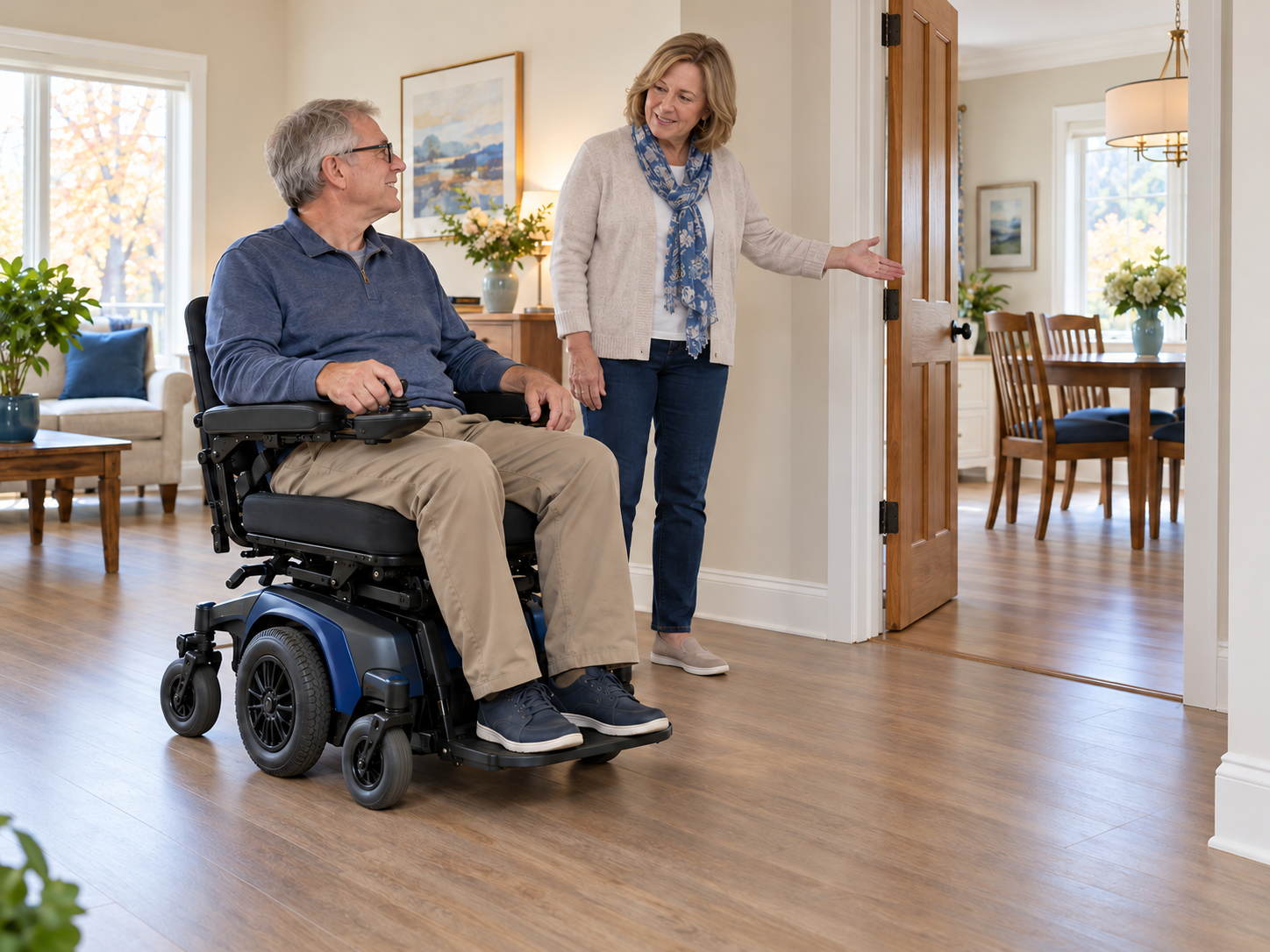
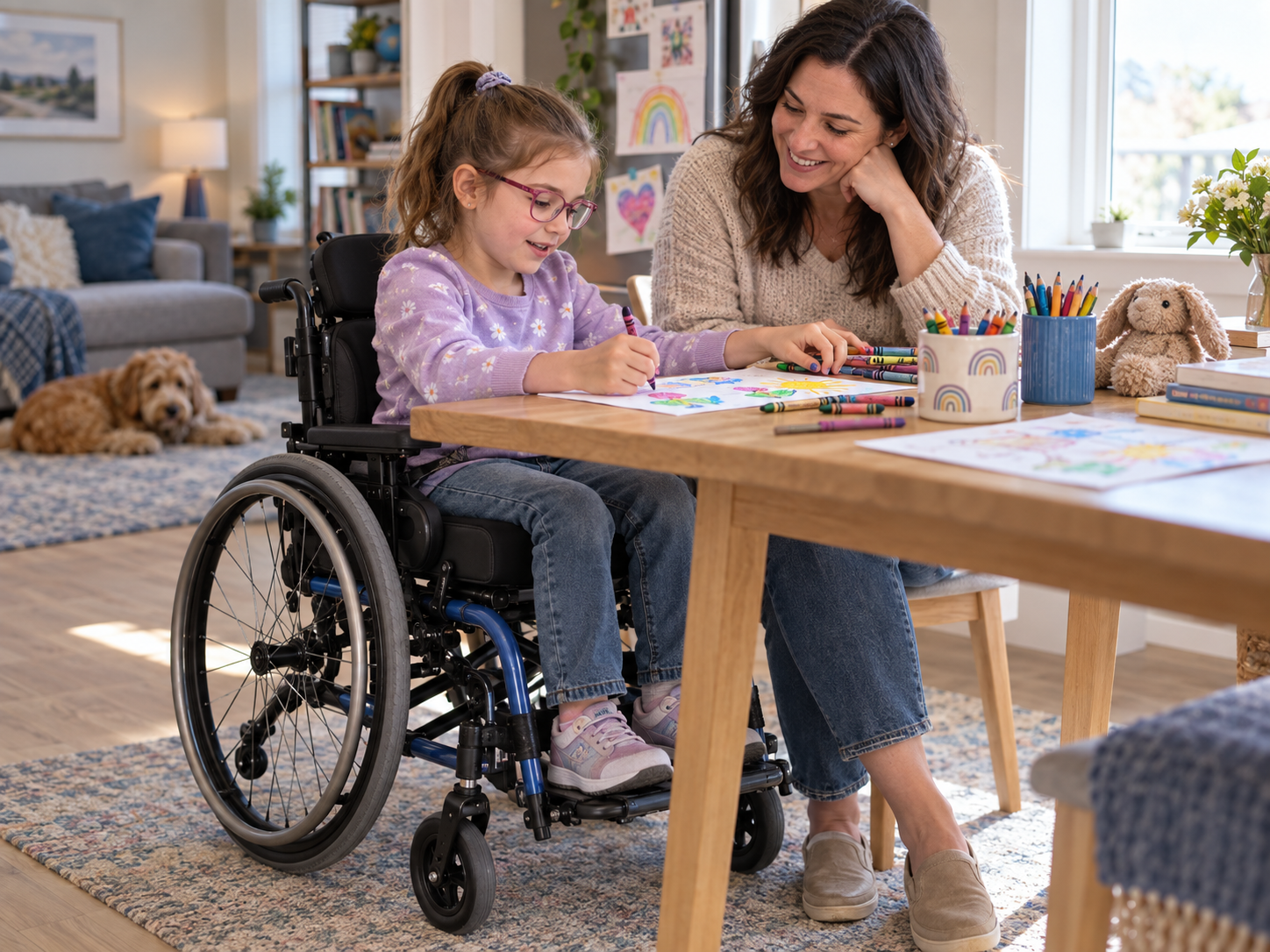
- Manual wheelchairs, power wheelchairs and power scooters.
- Wheelchair positioning components, such as cushions and back supports.
- Certain power add-ons for manual wheelchairs.
- Forearm crutches and wheeled walkers for adults.
- Pediatric walkers, standers and strollers.
Coverage depends on individual eligibility, assessment and the approved device—not simply the product category.
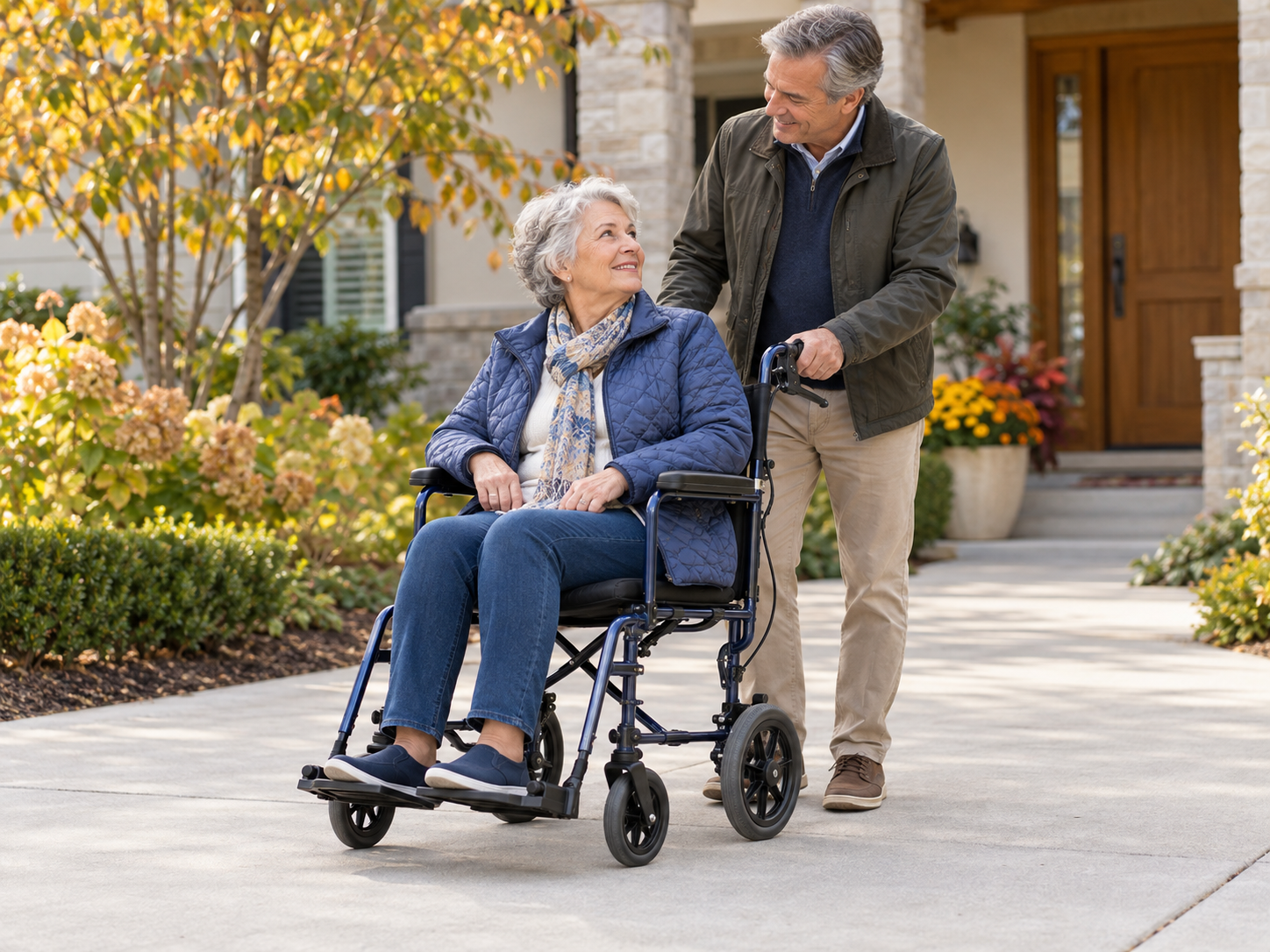
If you are comparing chair types, UHP’s wheelchair buying guide covering manual, power and transport chairs explains their different uses. Transport chairs are not covered by ADP.
Equipment ADP Does Not Cover
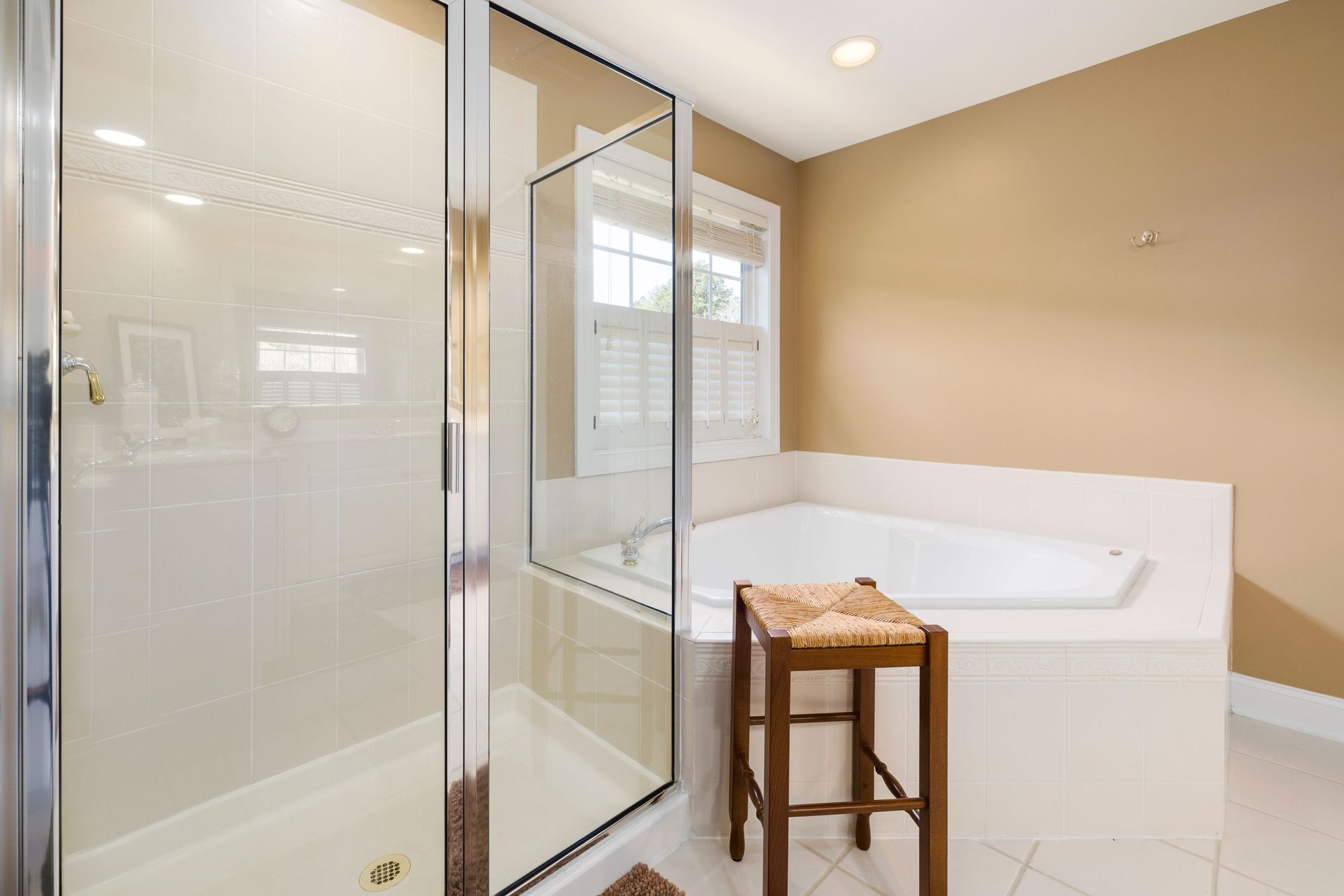
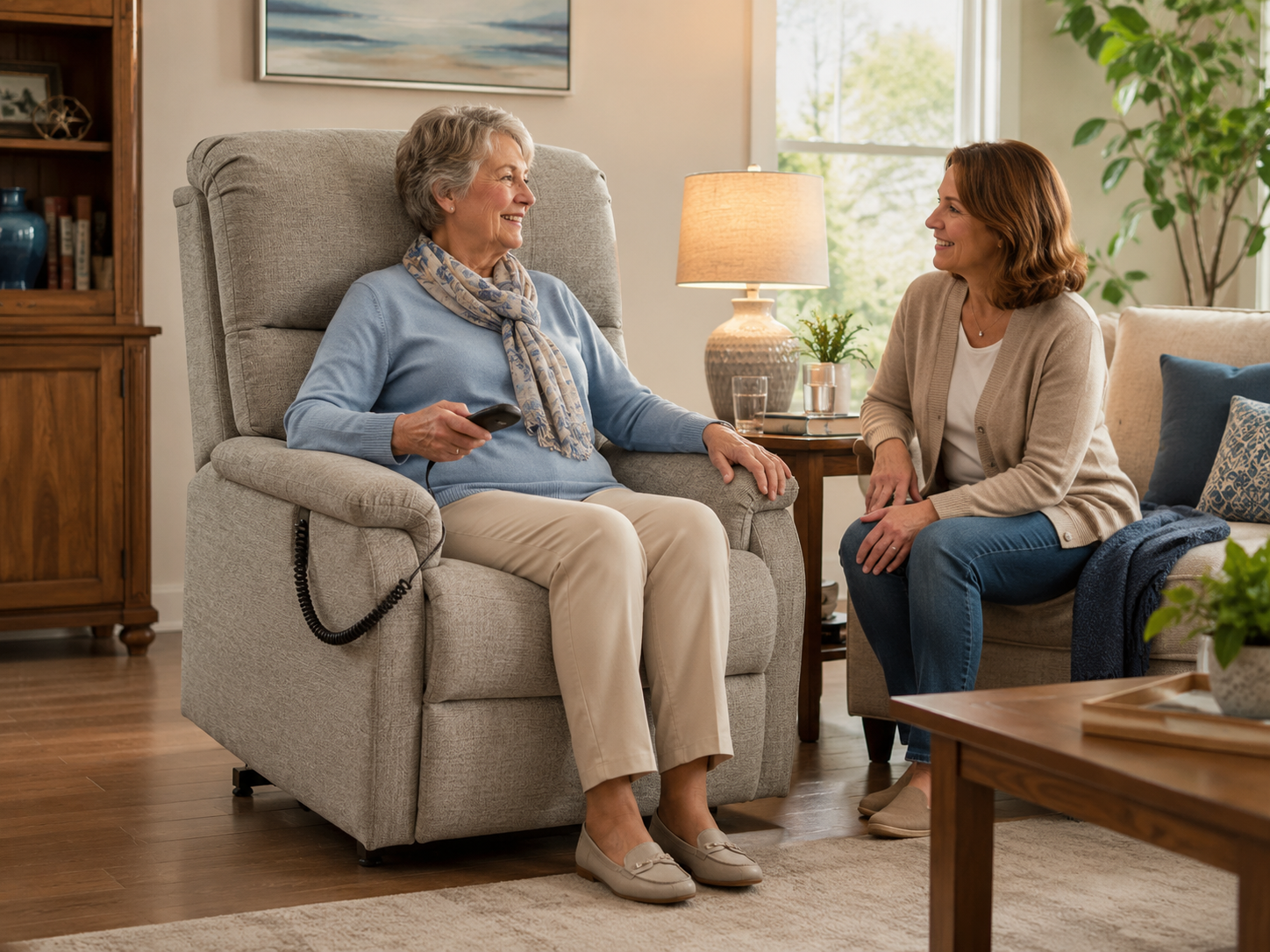
ADP excludes stair lifts, vertical platform lifts and wheelchair ramps. It also excludes transport chairs, recliner chairs, standard walking canes, non-wheeled walkers, bath and shower aids, grab bars, raised toilet seats, and hospital beds and mattresses. ADP does not cover repair costs or replacement batteries, even for equipment originally purchased through the program. Any assistance from another program must be checked separately.
Complete the Application Steps Before Buying
For mobility aids, the process involves an assessment by an ADP-registered occupational therapist or physiotherapist, completion of the application, and assistance from an ADP-registered vendor. Complete the required application steps before ordering or purchasing. Buying too early can leave you responsible for the full cost. Confirm the process and your expected contribution with the authorizer and registered vendor.
Why Local Support Matters/Choosing Equipment That Fits Your Lifestyle
When it comes to mobility and accessibility equipment, local support can make a major difference, especially during funding applications, fittings, adjustments, and future servicing.
Working with a local provider allows individuals and families to:
- Ask questions in person
- Receive hands-on product guidance
- Access ongoing support and maintenance
- Explore multiple equipment options more comfortably
- And get help navigating paperwork and approvals
For larger equipment purchases, that level of personalized support often provides far more confidence than ordering products online without professional guidance.
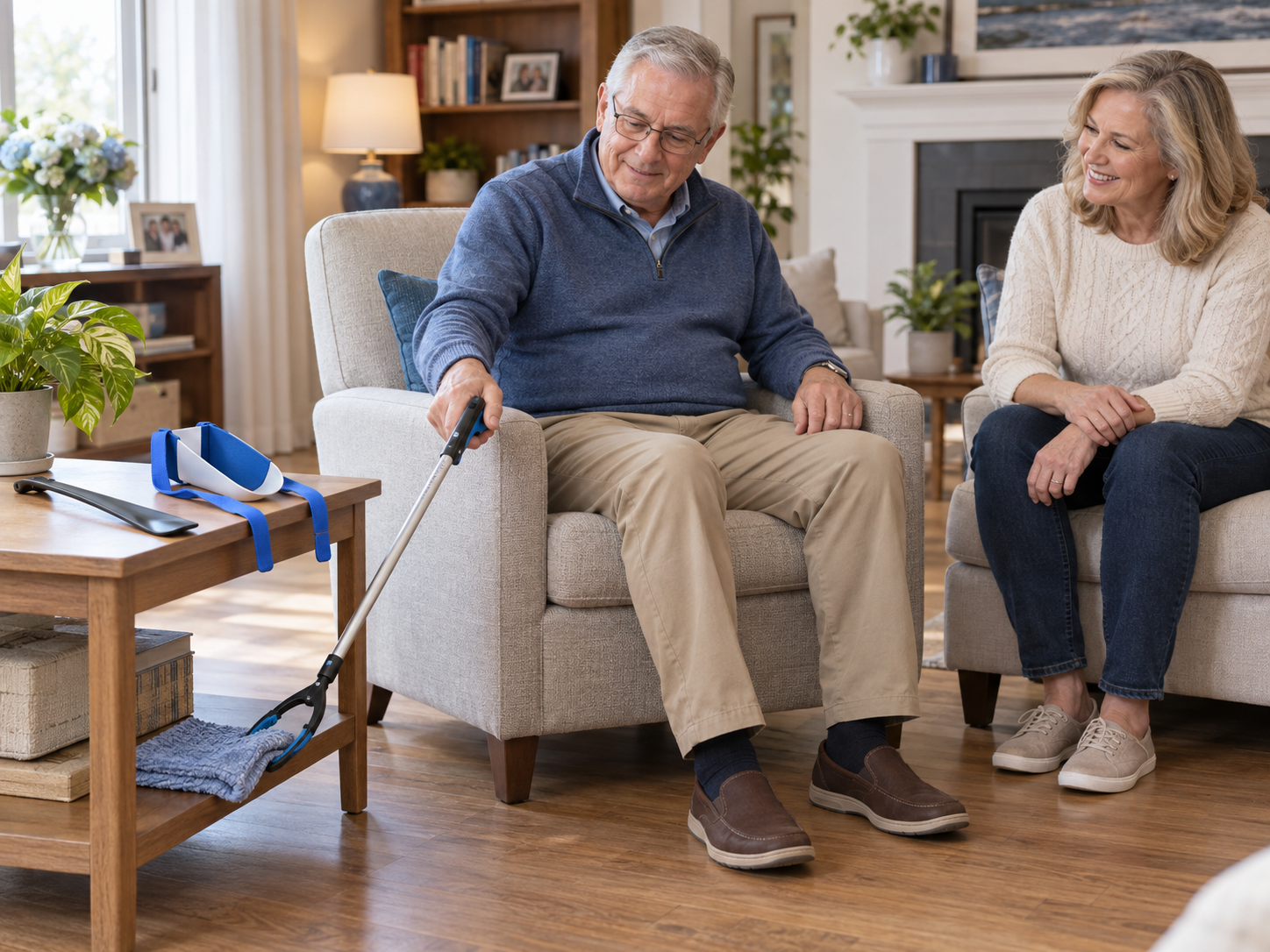
One of the biggest misconceptions about mobility equipment is that every product serves the same purpose. Selecting equipment involves considering daily activities, indoor and outdoor use, seating needs and caregiver support. Product suitability and funding eligibility are separate questions. For an ADP application, confirm that the authorizer and vendor are registered for the relevant device category.
Final Thoughts
ADP can provide valuable assistance with approved equipment for eligible Ontario residents. Understanding the device-specific requirements and completing the application process helps families plan their contribution and avoid assuming that every mobility or accessibility product qualifies.
At Universal Health Products in Windsor-Essex and Chatham-Kent, we help individuals and families better understand available mobility and accessibility solutions while providing support throughout the equipment selection process.
Whether you are exploring wheelchairs, mobility scooters or pediatric mobility equipment, Universal Health Products can help you discuss equipment options and next steps. For stair lifts, ramps and other home-accessibility products, ask about costs and any separate funding possibilities; these purchases are not covered by ADP.