Preparing to come home after surgery or a hospital stay starts with everyday questions: How will you get dressed, use the bathroom, prepare a meal and move between rooms?
The right home recovery equipment depends on your discharge instructions, abilities and home layout. Some people need only a few practical daily living aids. Others may need mobility equipment, bathroom supports or a different bed setup.
For Windsor-Essex families, this checklist provides a starting point for conversations with the healthcare team and an equipment provider before discharge.

Start With Your Discharge Plan
Before purchasing equipment, ask your care team which activities you can manage independently and where assistance will be needed. Clarify any restrictions involving bending, lifting, walking, bathing or putting weight through an affected limb. Ask for recommended equipment in writing, along with instructions or demonstrations. Include the family member or caregiver who will help at home so they understand the plan too.
A discharge checklist should also address follow-up care, medications and who to contact with questions. Medicare’s discharge planning checklist provides a useful discussion framework. Walk through a typical morning together. Getting out of bed, reaching the toilet and putting on socks may each require a different solution.
Consider Small Aids for Dressing and Reaching
Smaller products deserve a place on your recovery checklist. Depending on your restrictions and hand function, options to discuss include:
- Reachers: For retrieving lightweight items or assisting with clothing.
- Sock aids: For putting on socks when reaching your feet is difficult.
- Long-handled shoehorns: For guiding your feet into shoes with less reaching.
- Dressing sticks: For helping position or remove clothing.
- Button hooks and zipper pulls: For managing fasteners when gripping is difficult.
These tools require an appropriate technique; owning one does not automatically make a restricted movement suitable. Ask for a demonstration and an opportunity to practise. Not everyone recovering from surgery needs the same dressing equipment.
Explore UHP’s daily living aids, including listed dressing, reaching and personal-care products, and ask about current availability.
Prepare for Bathing and Toileting
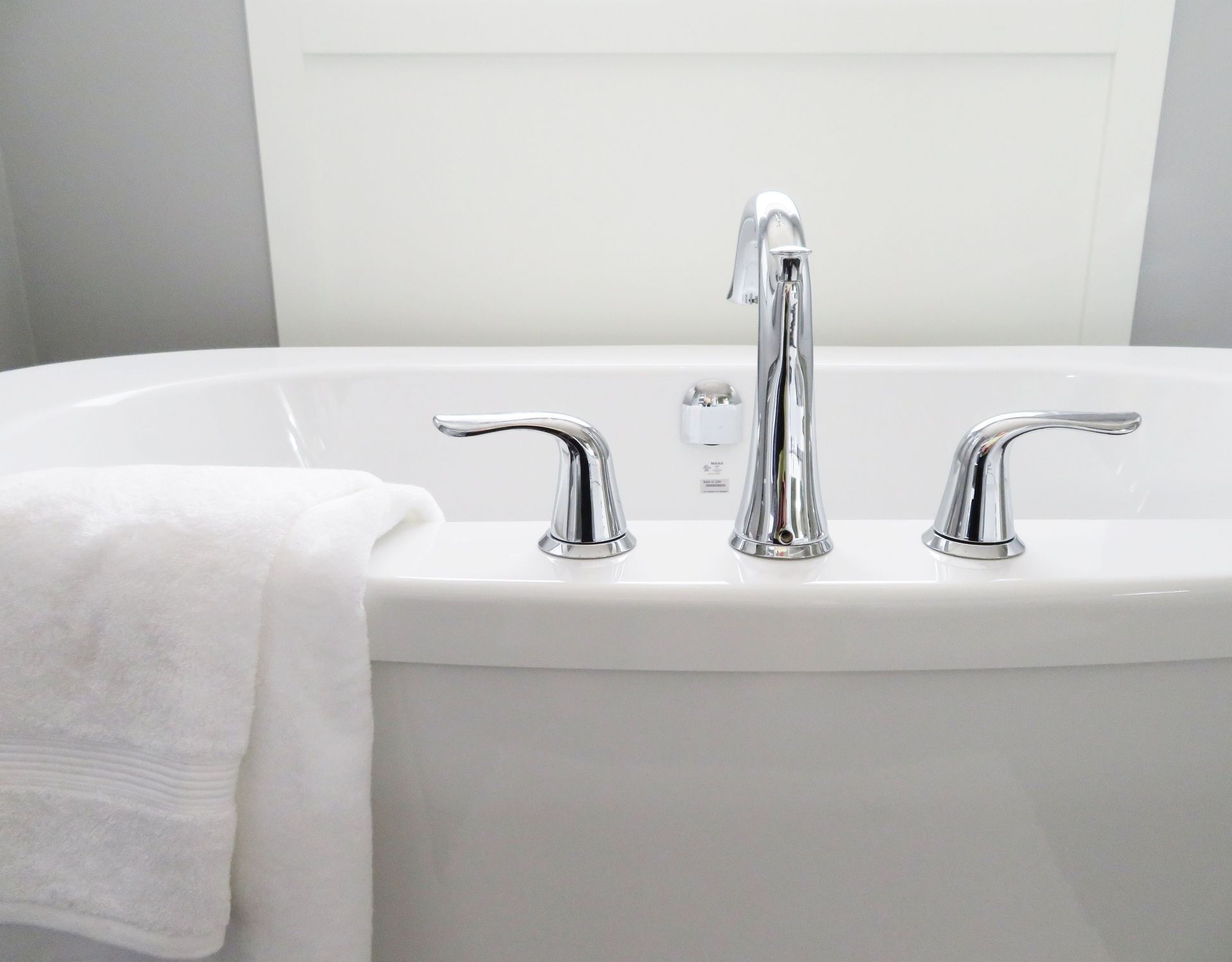
Discuss when showering is permitted and how to follow any wound-care instructions. Then consider the bathroom itself: the bathtub edge, shower entrance, toilet height and space for assistance.
A shower chair provides a seated bathing option. A transfer bench may be considered when crossing a bathtub wall is difficult. Raised toilet seats, toilet frames and securely installed grab bars serve different purposes and should be selected around the person’s needs and the room’s dimensions.
For a closer look at fit and placement, read UHP’s guide to bathroom safety products for seniors. Check that necessary toiletries are reachable and that equipment fits before the first day home.
Make Meals and Personal Care More Manageable
Think beyond walking and bathing. Can you open containers, hold cutlery, brush your hair and bring a drink to your usual sitting area?
UHP’s daily living catalogue includes jar openers, comfort-grip utensils, two-handle cups and long-handled grooming products. These offer different ways to approach everyday tasks; selection should reflect the difficulty you actually experience. Prepare easy meals and move frequently used supplies within comfortable reach. Arrange help with shopping, cooking or personal care where needed. Equipment and human assistance can work together.
Check Mobility Routes and the Bed Setup
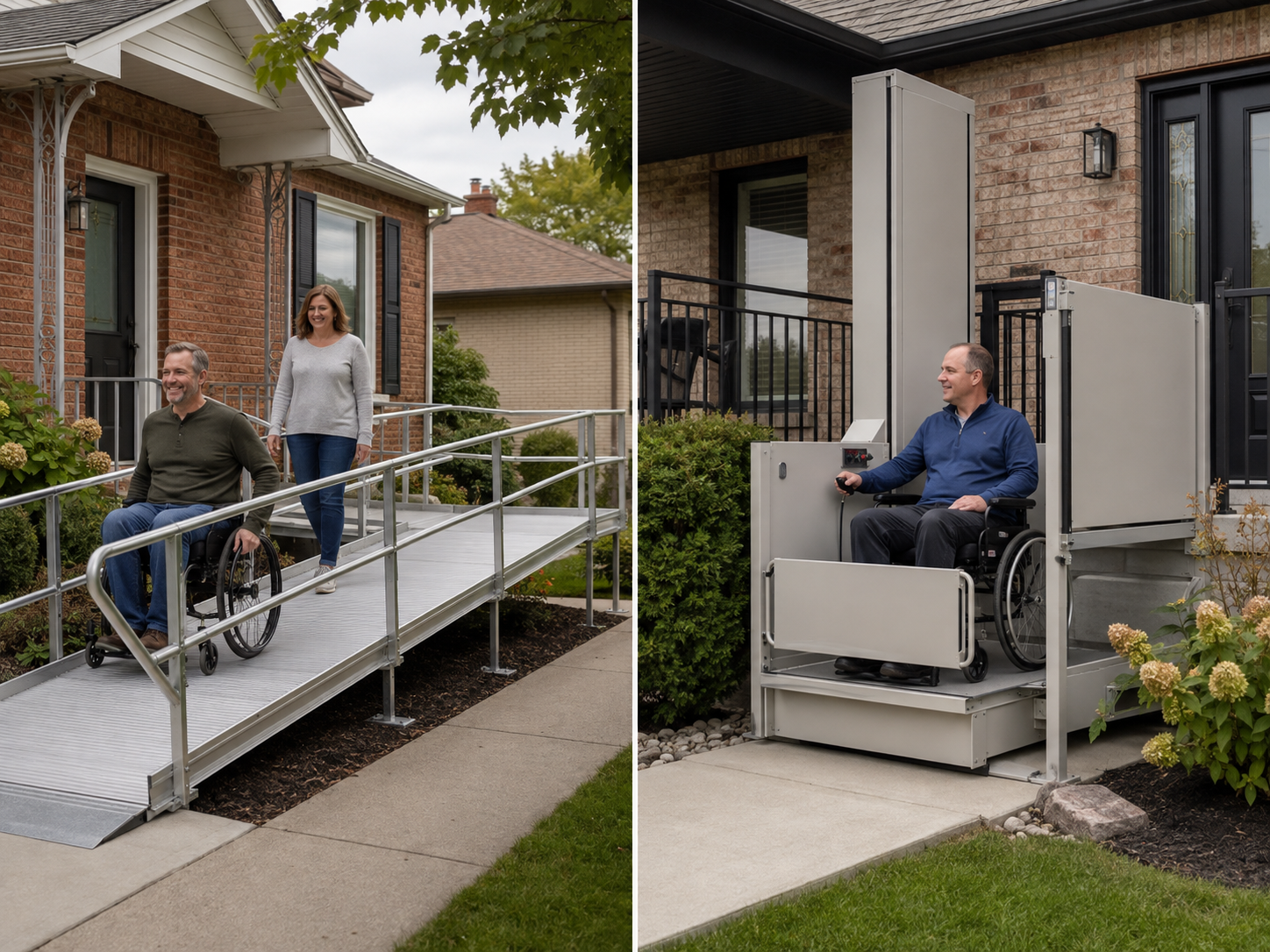
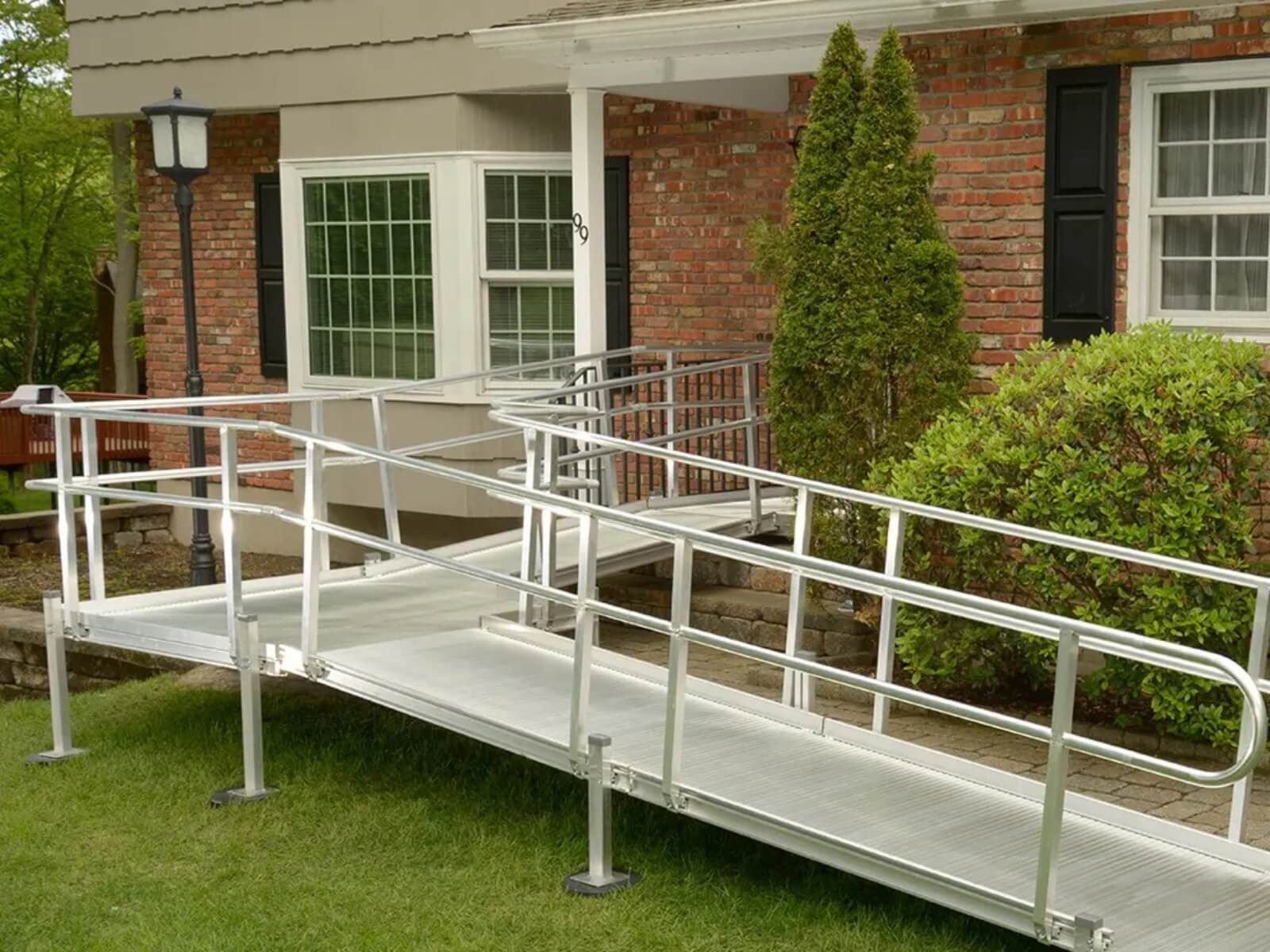
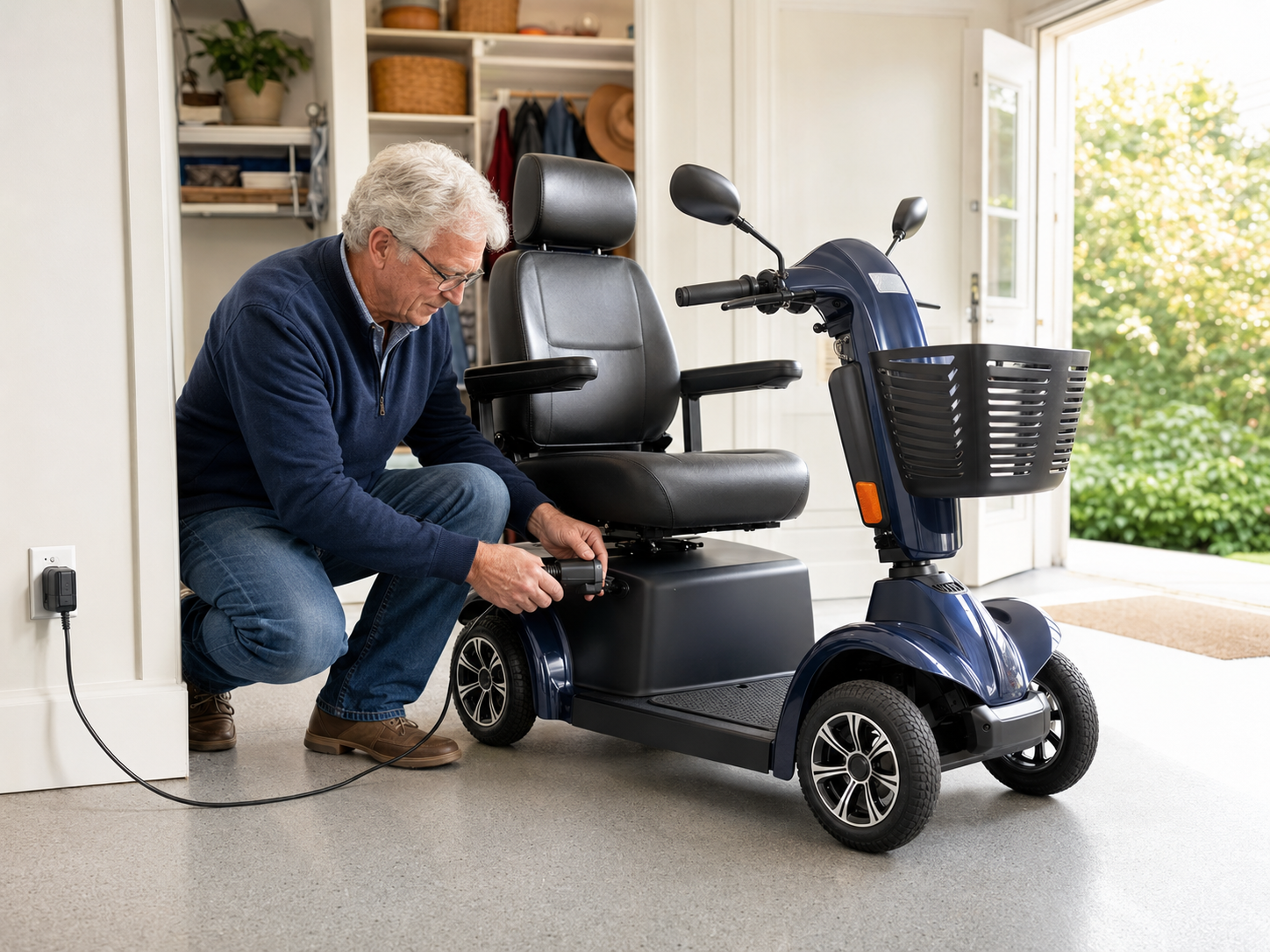
If your care team recommends a walker, crutches or wheelchair, ask about fitting and instruction. Review the route from the entrance to the bathroom, bedroom and main sitting area. Remove loose cords and rugs, improve lighting and allow room to maneuver. A hospital bed is not a standard requirement after every operation. Start by discussing whether your existing bed allows the transfers and positioning your care team recommends.
Families exploring hospital beds for home in Windsor can review UHP’s adjustable-bed features and selection considerations. Ask specifically about height adjustment, mattress compatibility, room space and caregiver access.
Your Before-Discharge Equipment Checklist
Before the return home, confirm:
- Recommended equipment has been identified and its availability checked.
- Measurements and compatibility have been reviewed.
- Necessary assembly or installation is complete.
- The person and caregiver understand how to use the equipment.
- Daily essentials and contact numbers are accessible.
- Help is arranged for tasks that remain difficult.
- And that there is a plan to reassess equipment as recovery needs change.
Choosing medical equipment for home should begin with the person’s routines and care plan. Universal Health Products can help Windsor-Essex and Chatham-Kent families explore relevant options. Bring your equipment recommendations and questions to us to discuss preparing for home recovery.