A stair lift may be an option when stairs are difficult to use but the person can sit in the lift chair and move safely on and off it at both ends. Whether one will fit depends on more than the staircase’s width. The route, landings, nearby doors, room for other people to use the stairs and the person’s everyday mobility all matter.
Many seniors living on their own have begun considering a stair lift for home. In this article, we'll show you the questions to bring to a professional assessment.
Is the Staircase Straight or Does It Turn?
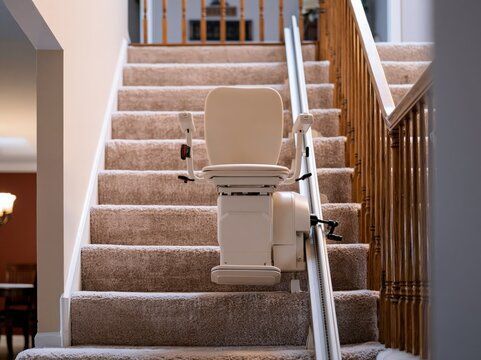
Start by tracing the full route between floors. A straight staircase without a turn may suit a straight stair lift. A staircase that curves, changes direction or has an intermediate landing generally calls for a different rail design and closer evaluation.
Measurements alone cannot confirm the right configuration. An installer needs to assess the steps, rail position, surrounding walls and where the chair will stop. UHP lists straight-run stair lifts, including the K2+ Straight Stairlift; the suitability of any model depends on the home and user.
What Happens at the Top and Bottom Landings?
The lift needs a practical place to start and stop. Before choosing a model, look at both ends of the staircase and consider:
- Approach space: Is there enough level room to reach the chair and sit down?
- Getting off: Can the user leave the seat onto the landing without standing on a step?
- Door clearance: Could a nearby door swing into the rail or parked chair?
- Walking routes: Would the rail extend into a hallway or frequently used passage?
At the top, a seat that swivels and locks can allow the user to face away from the staircase before getting off. Some models offer rail options to address particular doorway conflicts, but these must be assessed for the specific installation.
Photos can help begin the conversation, while an in-person assessment allows the installer to evaluate landing space and everyday movement through the home.
Will Other People Still Have Room to Use the Stairs?
Consider the staircase in both positions: with the chair in use and with its seat, arms and footrest folded away. A narrow staircase may still be workable, but the folded chair and rail occupy space. Household members also need to pass through nearby halls and doorways.
Notice where coats, shoes or furniture normally sit. The lift route and its landing areas should remain clear during everyday use, not just during an installation visit. If several people use the stairs regularly, ask where the chair will be parked and how its position will affect them.
Can the Person Use the Seat and Controls Comfortably?
The physical fit matters as much as the staircase fit. The intended user should be able to approach the chair, sit securely, position their feet on the footrest, use the controls and get off at each landing in a way that suits their abilities. Seat width, armrest position and available turning room deserve attention.
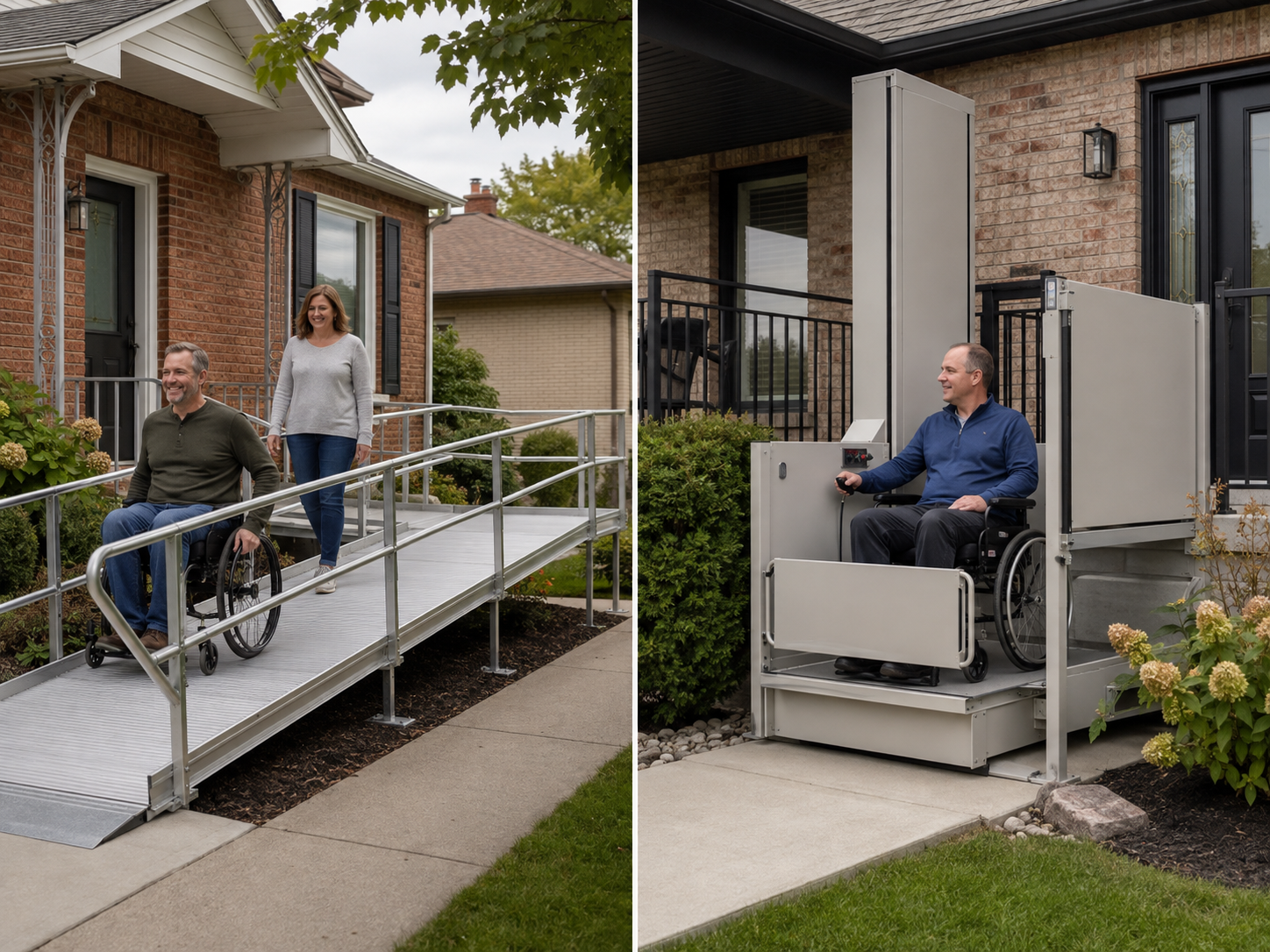
If the person uses a wheelchair, a seated stair lift does not carry that wheelchair between floors. Their ability to transfer and their mobility needs on each level require careful consideration. If wheelchair access between floors is essential, read UHP’s comparison of stair lifts and larger home-access solutions, then discuss the distinct equipment types with an accessibility specialist. Family members and caregivers can help explain daily routines, while keeping the intended user’s preferences central to the decision.
Where Will the Lift Charge and Be Maintained?
A powered stair lift needs a suitable electrical and charging arrangement. Charging behaviour varies by model: for example, Savaria describes charging at the top and bottom of the rail for its standard K2, while the K2 Plus uses continuous charging along the rail. Ask how the proposed lift charges, where it should be parked and what routine maintenance it requires.
It also helps to discuss what to do if the lift stops working and who to contact for service. These practical questions are part of judging whether the equipment fits the household’s needs.
What Should You Have Ready for a Home Assessment?
You don't need to solve the installation yourself. Before contacting a provider, it may help to note:
- Whether the staircase runs straight or includes a turn or landing
- Doors, furniture and walkways close to either end
- Who uses the stairs and how often
- The intended user’s seating, transfer and control preferences
- Whether mobility equipment is needed on one or both floors
- Any expected changes to the home’s layout
These details help guide a conversation; the final recommendation should follow an assessment of the person, staircase and proposed equipment together.
Universal Health Products can help Southern Ontario households explore whether a stair lift is suitable for their home. Contact UHP to discuss your staircase and everyday needs, visit one of our showrooms in Windsor or Chatham, or call (519) 258-6717.