Choosing equipment for your child can bring plenty of questions. Do they need supportive seating, a standing frame, a walker or a wheelchair? How will it fit into school, family outings and everyday routines?
The starting point is understanding what each category does. Pediatric mobility equipment should be selected around your child’s comfort, movement, positioning and participation, not their age or diagnosis alone. Different devices serve different purposes, and one child may use several options throughout the day.
For Windsor-Essex families, this guide provides a starting point for conversations with your child’s therapists and equipment provider.
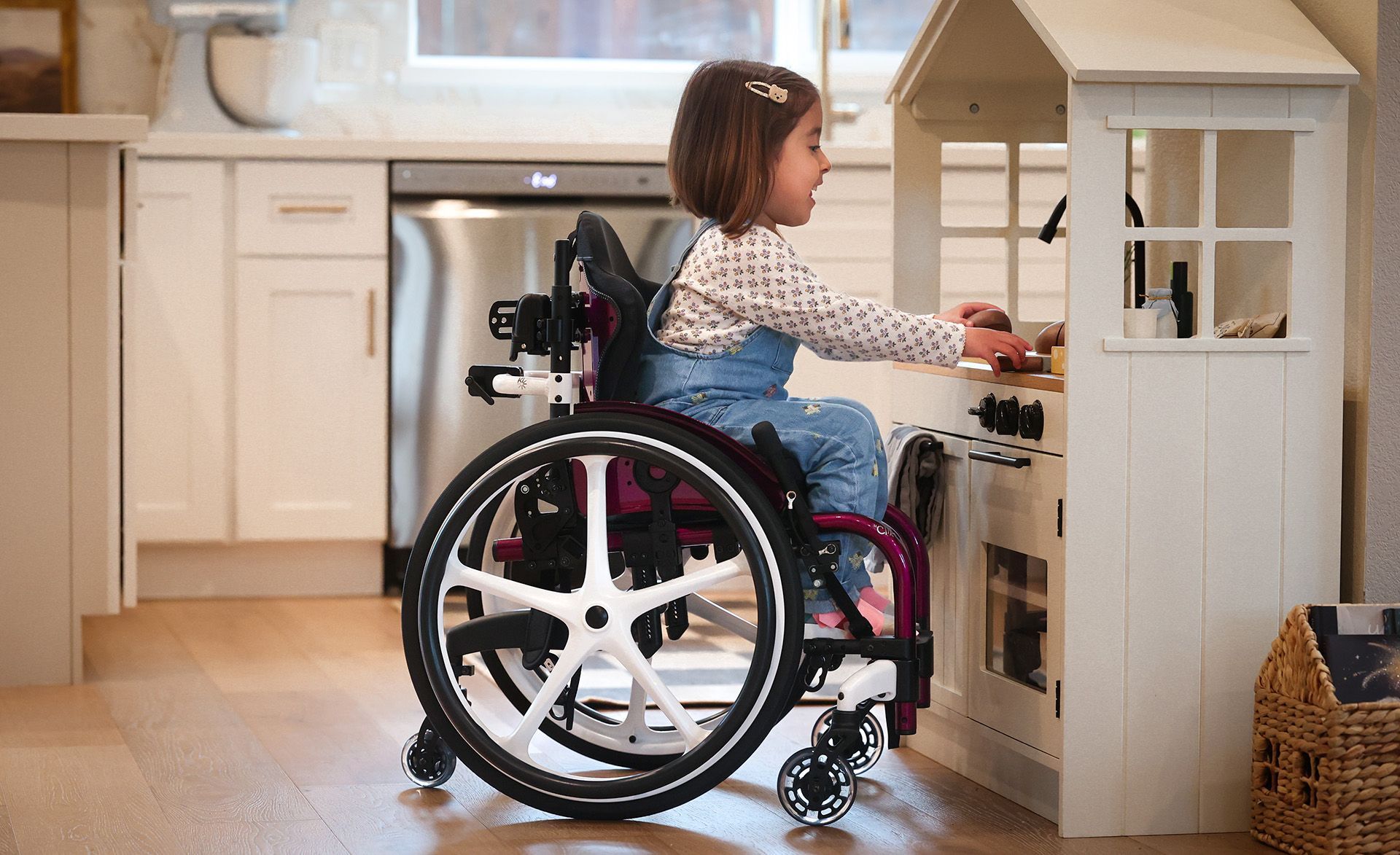
Pediatric Seating Systems: Support for Everyday Activities
Supportive seating is about more than finding a smaller chair. Depending on the child’s needs, it may include a fitted seat, back support, foot support and additional pelvic, trunk or head supports. Permobil’s pediatric mobility guidance
The aim is a comfortable, supported position that allows the child to engage with activities around them. Pediatric seating systems should be considered alongside the table, desk or mobility base they will be used with. Fit and support requirements need individual assessment. Think about where your child enjoys spending time. Drawing with a sibling, joining classroom activities or reaching a communication device may each raise different questions about height, access and positioning.
Pediatric Standers: A Separate Role From Walking
A stander, or standing frame, supports a child in a standing position. It is not the same as a walker or gait trainer, and using one does not mean the child is expected to walk independently.
Different designs can support upright, forward-leaning or backward-leaning positions. The appropriate configuration, supports and use should be determined with the child’s care team and the manufacturer’s instructions. Standing time should follow an individualized plan, not a general online schedule. Families should also discuss practical details: where the frame will be used, how transfers will happen, who will assist and how it will be stored.
Walkers and Gait Trainers: Different Levels of Support
A pediatric walker generally provides a frame and hand or forearm support to assist walking. A gait trainer can offer more extensive support around areas such as the trunk and pelvis for children who need additional assistance with supported stepping. Features and terminology vary between models.
Selecting between them involves more than choosing a size. The child’s ability to bear weight, maintain balance, control their trunk and move the device all matter. Support placement and adjustment are important parts of fitting. Ask how the equipment will work during everyday activities. Can it navigate classroom furniture? Is there enough turning space at home? What assistance and supervision will be needed?
Pediatric Wheelchairs: Access, Choice and Participation
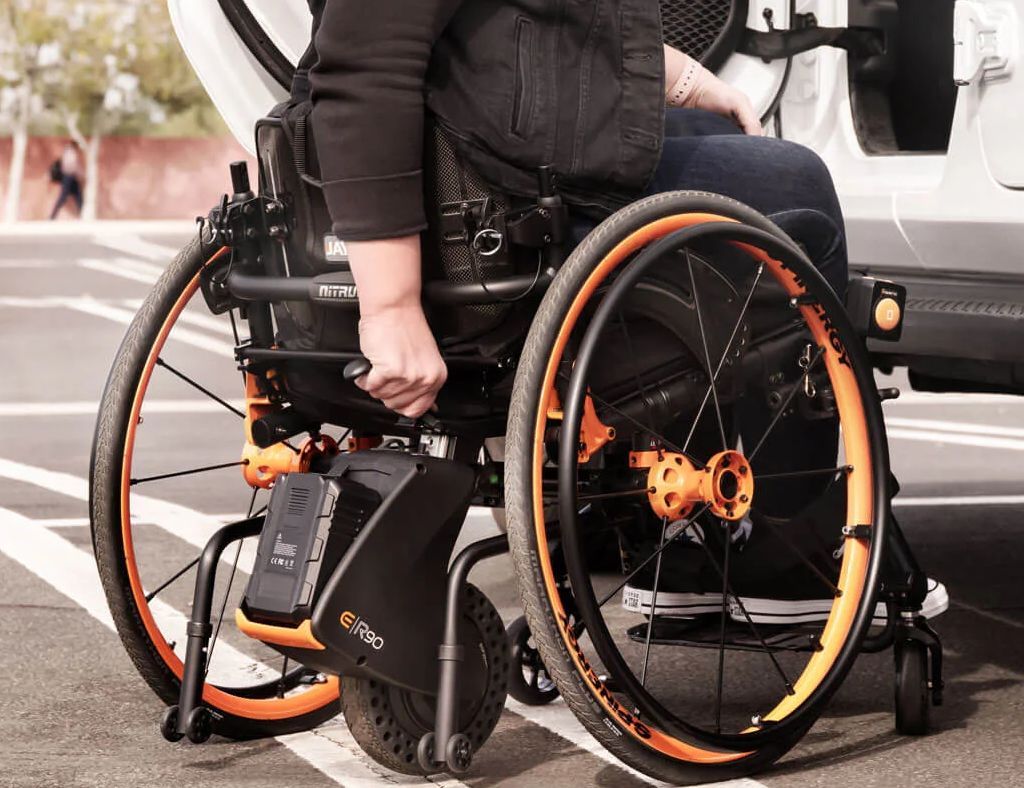
Wheelchairs can support everyday mobility, whether a child uses one throughout the day or for particular activities and distances. Manual chairs may be propelled by the child or pushed by a caregiver. Powered options can provide independent movement using a joystick or alternative controls when appropriate.
Selection should consider seating, control access, manoeuvrability and the environments where the chair will be used. Wheelchair use is not a failure to progress toward walking; it is a way of accessing activities and places. For families researching pediatric wheelchairs in Ontario, the useful question is: “Which option helps my child participate comfortably in their actual day?”
Plan for Growth Without Sacrificing Today’s Fit
Children grow, but buying oversized equipment is not the same as planning for growth. Some pediatric wheelchairs offer adjustable seat dimensions and components designed to accommodate changes while maintaining useful access to the wheels and supports. Adjustment ranges depend on the model.
Ask which adjustments are possible, who should make them and how reassessment will be arranged. Changes in comfort, posture or activities deserve attention rather than waiting until equipment is visibly outgrown. Families can also learn about the value of ongoing support from a local mobility equipment provider when questions, adjustments or changing needs arise.
Questions to Bring to an Equipment Discussion
Preparing a few everyday details can make the conversation more useful:
- What does your child want to do more easily?
- Where will the equipment be used: home, school or community?
- What doorways, tables and storage spaces must it fit?
- How will it travel between locations?
- Who will help with transfers, setup and daily checks?
- What training, follow-up and adjustments will be needed?
Include your child’s preferences and feedback wherever possible. A practical solution should work for the child and the people supporting them.
Explore Pediatric Equipment With UHP
Explore UHP’s pediatric mobility and positioning equipment, including seating, standers, walkers and children’s wheelchairs.. Contact the team to discuss current options and how they relate to recommendations from your child’s therapists.
You do not need to arrive knowing which product to choose. Bring your questions, daily routines and assessment recommendations.
Contact UHP about pediatric equipment to discuss current options and the next steps for your family.