When stairs become difficult, unsafe, or stressful, it can change the way someone feels inside their own home. A second floor that once felt normal can suddenly become a barrier. For seniors, individuals with mobility challenges, or caregivers supporting a loved one, choosing the right accessibility solution becomes an important decision.
Two common options are stair lifts and home elevators. Both can improve access between floors, but they serve different needs, budgets, and home layouts. If you’re comparing stair lift options with larger home accessibility solutions, understanding the differences can help you make a more confident choice.
Stair Lift vs Home Elevator? What's The Real Difference?
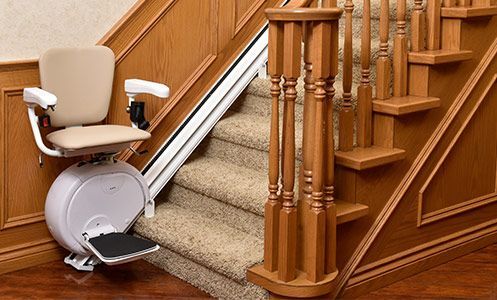
A stair lift is quite simply, a motorized chair that travels along a built in rail installed directly to the staircase. The user sits safely in the chair, secures themselves, and rides up or down the stairs with simple controls. Stair lifts are often one of the most practical solutions for homes where the main challenge is getting between floors safely. They rarely require major renovations, and in many cases, they can be installed on straight or curved staircases depending on the home. It exists as a balanced medium between safety, affordability, and convenience.
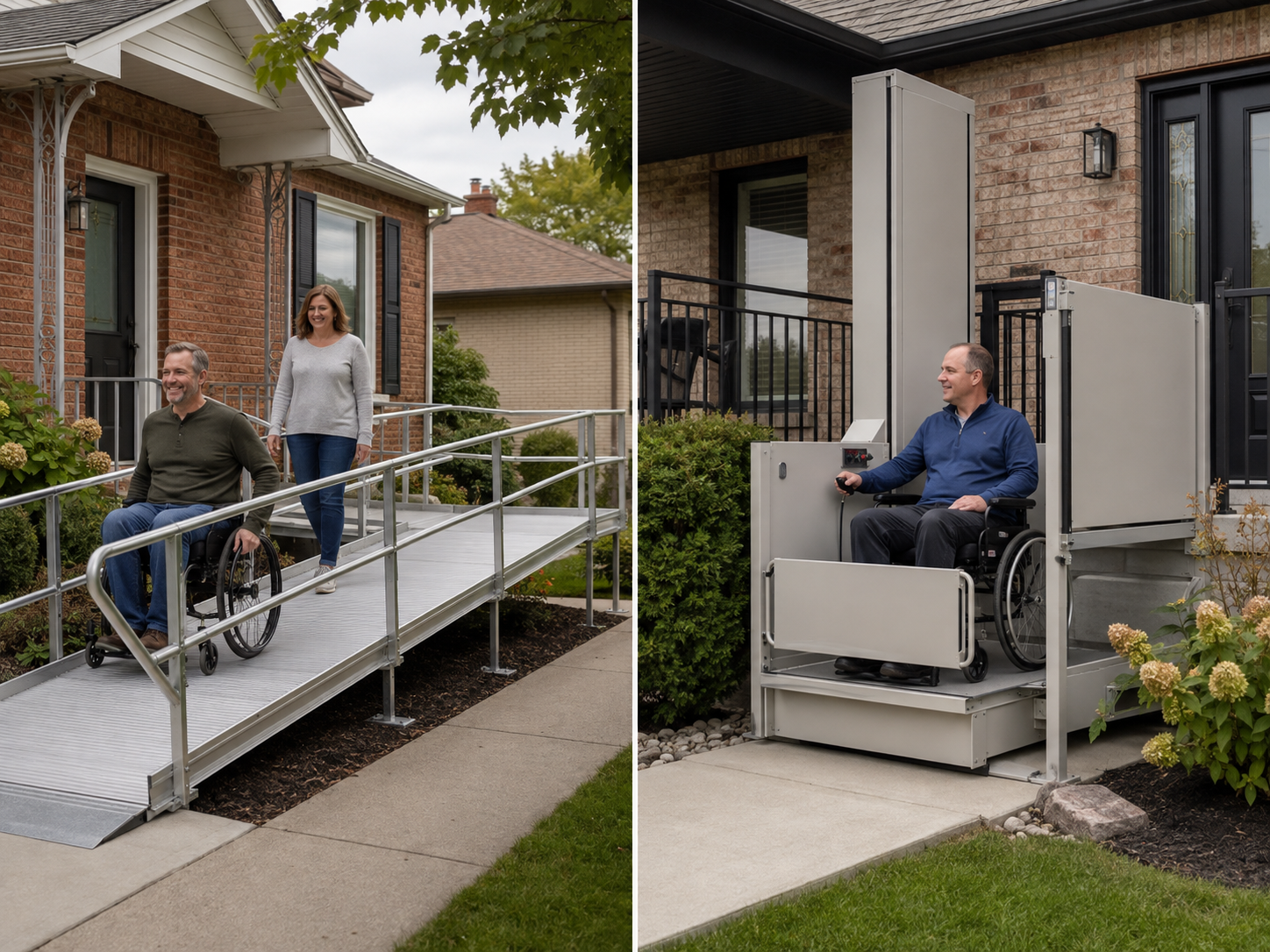
In comparison, a home elevator, or Vertical Platform Lift (VPL) is a larger accessibility solution that moves users between floors in an enclosed lift or platform-style system. Unlike a stair lift, it can often accommodate a person standing, someone using a wheelchair, or multiple items being moved between levels. What's truly impactful here, is that home elevators can be helpful in situations where a person cannot safely transfer in and out of a stair lift chair, or when wheelchair access between floors is required. They can be the perfect fit for a home, but often require significantly more of an investment.
Key Differences Between Stair Lifts and Home Elevators
The best choice depends on the user’s mobility level, the layout of the home, and how much support is needed long term.
Here are the main differences to consider:
- Space required: Stair lifts use the existing staircase, while elevators need dedicated space.
- Installation: Stair lifts are usually quicker and less invasive to install.
- Cost: Stair lifts are generally more budget-friendly than home elevators.
- Wheelchair access: Elevators are better suited for users who need to remain in a wheelchair between floors.
- Daily use: Stair lifts work well for people who can sit, transfer, and stand with some level of stability.
- Long-term needs: Elevators may be more suitable if mobility is expected to decline significantly.
When a Stair Lift May Be the Better Choice (Or Not)
In most cases, we reccomend a stair lift as the go-to option for most individuals. It’s ideal for individuals who find stairs tiring, painful, or risky, but who are still mobile enough to move around once they reach the next floor.
For example, someone with arthritis, reduced balance, knee pain, or general weakness may benefit greatly from a stair lift. It reduces the risk of falls while allowing them to continue using the full home. As well, many homes simply don't have space for a larger lift system, even if it can fit in your budget.
Now, that's not to say a home elevator isn't worth considering.
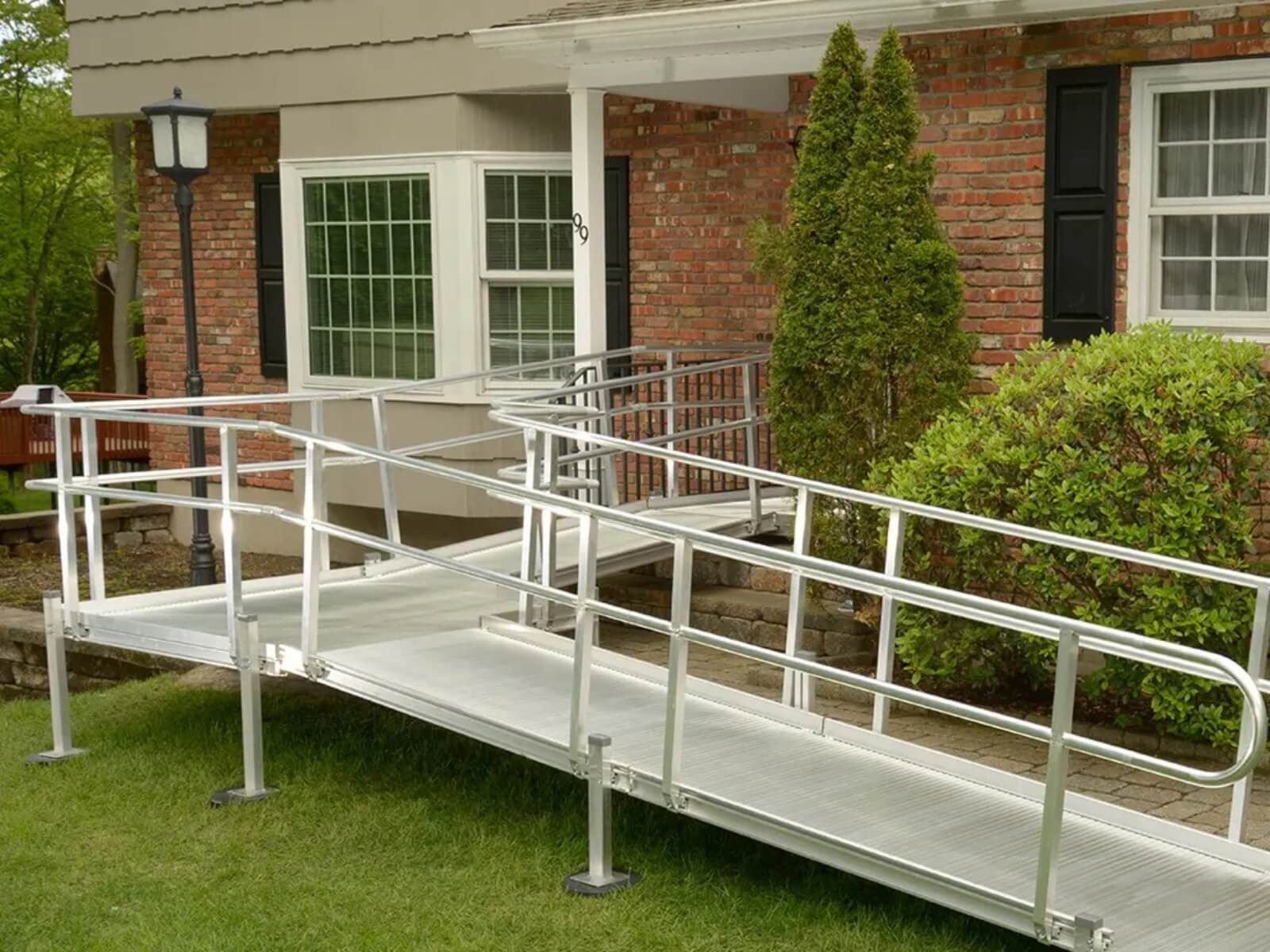
A home elevator may be a better choice when mobility needs are more advanced. If the user relies on a wheelchair full-time and cannot safely transfer into a stair lift seat, an elevator or vertical platform lift may be more appropriate.
It may also make sense for families planning long-term accessibility in a home they intend to stay in for many years. If multiple floors need to remain accessible regardless of future mobility changes, a larger solution may offer more flexibility. That said, elevators require more planning. Home layout, available space, structural requirements, and budget all play a major role.
Cost and Installation Considerations (Where We Can Help)
For many families, budget is one of the biggest deciding factors.
Stair lifts are usually more affordable because they use the existing staircase and require less construction. Installation is often faster, especially for straight staircases. Curved stair lifts may require more customization, but they can still be a practical option for many homes. Home elevators generally cost more due to equipment, installation, construction, and space requirements. They may also involve permits or home modifications depending on the project.
This doesn’t mean one option is automatically better than the other. It simply means the right solution should match the user’s needs, the home, and the long-term plan. At UHP, we offer help in the form of ADP Funding, allowing you to get the care you need, at a price you can afford. When you book an appointment with our team, we'll be sure to help you through the entire process.
Choosing the Right Accessibility Solution
Before choosing, it helps to ask a few practical questions:
- Can the user safely sit down and stand up from a stair lift?
- Is wheelchair access between floors required?
- How much space is available in the home?
- Is this a short-term need or a long-term aging-in-place plan?
- Will a caregiver be assisting regularly?
These questions help narrow the decision quickly. A stair lift may be ideal for someone who needs safer stair access, while a home elevator may be better for someone who needs full wheelchair mobility between floors.
Final Thoughts
Both stair lifts and home elevators can make a home safer and more accessible, but they are designed for different situations.
For many people, a stair lift is the most practical first choice. It improves safety, supports independence, and allows individuals to keep using the home they know and love without major renovations. A home elevator may be the better option when mobility needs are more complex or wheelchair access between floors is essential.
If stairs are becoming a daily challenge, the best next step is to look at the person’s mobility, the home layout, and future needs. With the right guidance, families in Windsor and Essex County, all the way to Chatham-Kent can choose an accessibility solution that supports comfort, safety, and independence at home.
Reach out today or learn more about our accessibility products today!