When an entrance becomes difficult to navigate with a wheelchair or mobility scooter, two common solutions are a residential ramp and a vertical platform lift. Neither is universally better. The right choice depends on the entrance height, available property space, mobility equipment, daily routines and how the home may need to function in the future.
For Windsor-Essex or Chatham-Kent homeowners comparing a wheelchair ramp vs vertical platform lift, the best starting point is an individualized assessment of both the person and the property.
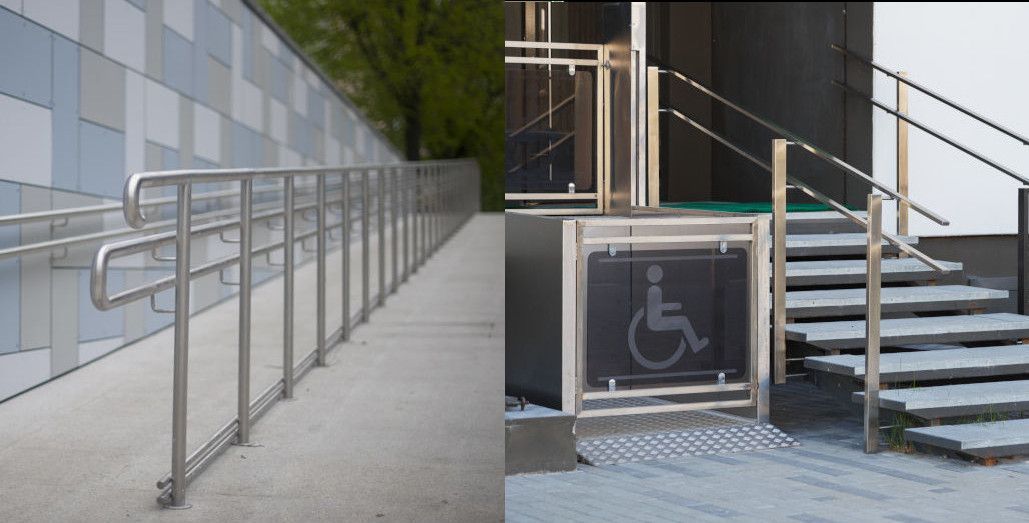
How Do Ramps and Vertical Platform Lifts Work?
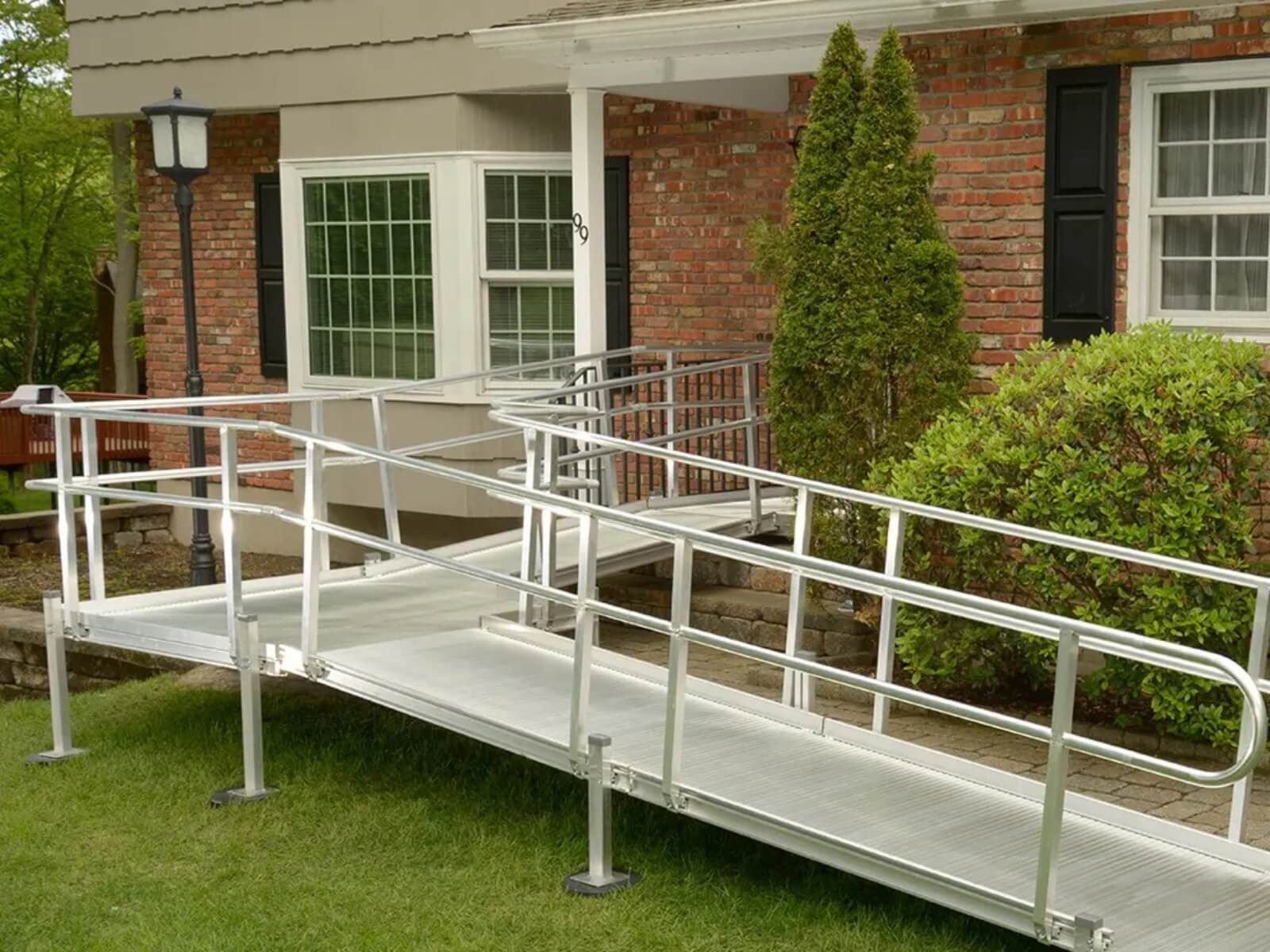
A wheelchair ramp creates a gradual inclined route between two elevations. Depending on the entrance and intended use, it may be a small threshold ramp, a portable model or a larger modular system with landings, handrails and edge protection. Homeowners who want to compare the different ramp formats can review UHP’s guide to portable, threshold and modular wheelchair ramps
A vertical platform lift, or VPL, uses a powered platform to move a wheelchair or mobility-scooter user vertically between two landing
levels. It may be considered when a porch or entrance is too high for a practical ramp within the available space. A VPL should not be confused with a stair lift or home elevator. A stair lift carries a seated person along a staircase, while a home elevator travels inside an enclosed shaft. A VPL is designed specifically around a platform and defined landing points.
Available Space and Entrance Height Matter
The entrance’s total vertical rise is one of the most important parts of the comparison. As the rise increases, a ramp generally needs more horizontal space to maintain an appropriate slope and accommodate any required landings or direction changes.
A ramp may work well when there is enough room beside the home, across the front yard or along a driveway. However, fitting a longer ramp may require changes to walkways, landscaping, parking or the normal route to the door.
A wheelchair lift for home may use less horizontal property space because it moves vertically. The site still needs adequate room for the platform, landing areas, gates, approach route and supporting structure. Door swing, drainage, overhead clearance and access to the lift also need to be evaluated.
Consider Everyday Wheelchair or Scooter Access
The solution should work with the person’s actual mobility equipment and routines—not simply the entrance measurements.
Important questions include:
- Will the user operate the ramp or lift independently?
- Is there enough width and turning space for the wheelchair or scooter?
- Can the user approach, enter and leave the route comfortably?
- Will a caregiver regularly accompany the user?
- Does the entrance provide a clear, level area near the door?
- Could a different mobility device be used in the future?
A ramp does not depend on a motor or lift mechanism, but some users may find a long incline physically demanding. A VPL can reduce the need to travel along an extended slope, although it introduces powered components, controls and ongoing maintenance considerations.
Think About Southern Ontario Weather
Outdoor accessibility equipment must be planned for local rain, snow, ice and temperature changes.
Ramps require appropriate surface traction, drainage and regular clearing during winter. Their landings and transitions also need to remain unobstructed. An outdoor VPL must be intended for the installation environment and positioned with weather exposure in mind. Snow and debris should not interfere with the platform, gates or landing areas. The equipment will also require maintenance according to its design and manufacturer guidance.
Weather protection may improve day-to-day usability, but it does not replace proper installation, drainage or seasonal care.
Short-Term Access or Long-Term Planning?
A portable ramp may be appropriate for certain temporary or flexible situations. A larger modular ramp can provide more regular access while potentially being reconfigured if the entrance changes.
A VPL is usually a more involved property modification. It may be worth considering when the entrance has a substantial rise, the property has limited space or preserving more of the yard and driveway is important.
Long-term planning should account for:
- Expected frequency of use
- Possible changes in mobility
- Future wheelchair or scooter dimensions
- Caregiver involvement
- Maintenance responsibilities
- Planned renovations or relocation
- Whether another entrance could offer a better solution
The goal is not to predict every future need. It is to avoid choosing an option based only on today’s most immediate challenge. Families considering future renovations or changing mobility needs may also benefit from planning ahead for home accessibility
Why an Individual Home-Accessibility Assessment Matters
Product descriptions and general measurements cannot determine whether a particular ramp or vertical platform lift is appropriate for a specific property. The entrance, approach route, structure, mobility device and user preferences all need to be considered together.
Installation and property requirements may also vary according to the project. Applicable building, electrical, zoning, equipment-registration and permitting considerations should be confirmed before work begins. A general online comparison cannot establish that a proposed solution satisfies every requirement.
Universal Health Products helps households explore accessibility options based on their homes, mobility equipment and everyday goals. Visit UHP at 635 Tecumseh Rd W, Windsor, or call (519) 258-6717 to discuss the next step in planning a more accessible entrance.