Choosing the right wheelchair can feel overwhelming, especially when you’re trying to balance comfort, mobility, safety, and everyday practicality. For many individuals and caregivers, the biggest challenge isn’t just finding a wheelchair—it’s understanding which type actually fits the user’s lifestyle and long-term needs.
From short trips and travel to full-time mobility support, every wheelchair serves a different purpose. If you’re exploring options for a loved one or researching motion wheelchair solutions for yourself, understanding the differences between manual, power, and transport chairs is an important first step.
This guide breaks down the key differences in a simple, practical way to help you make a more confident decision.
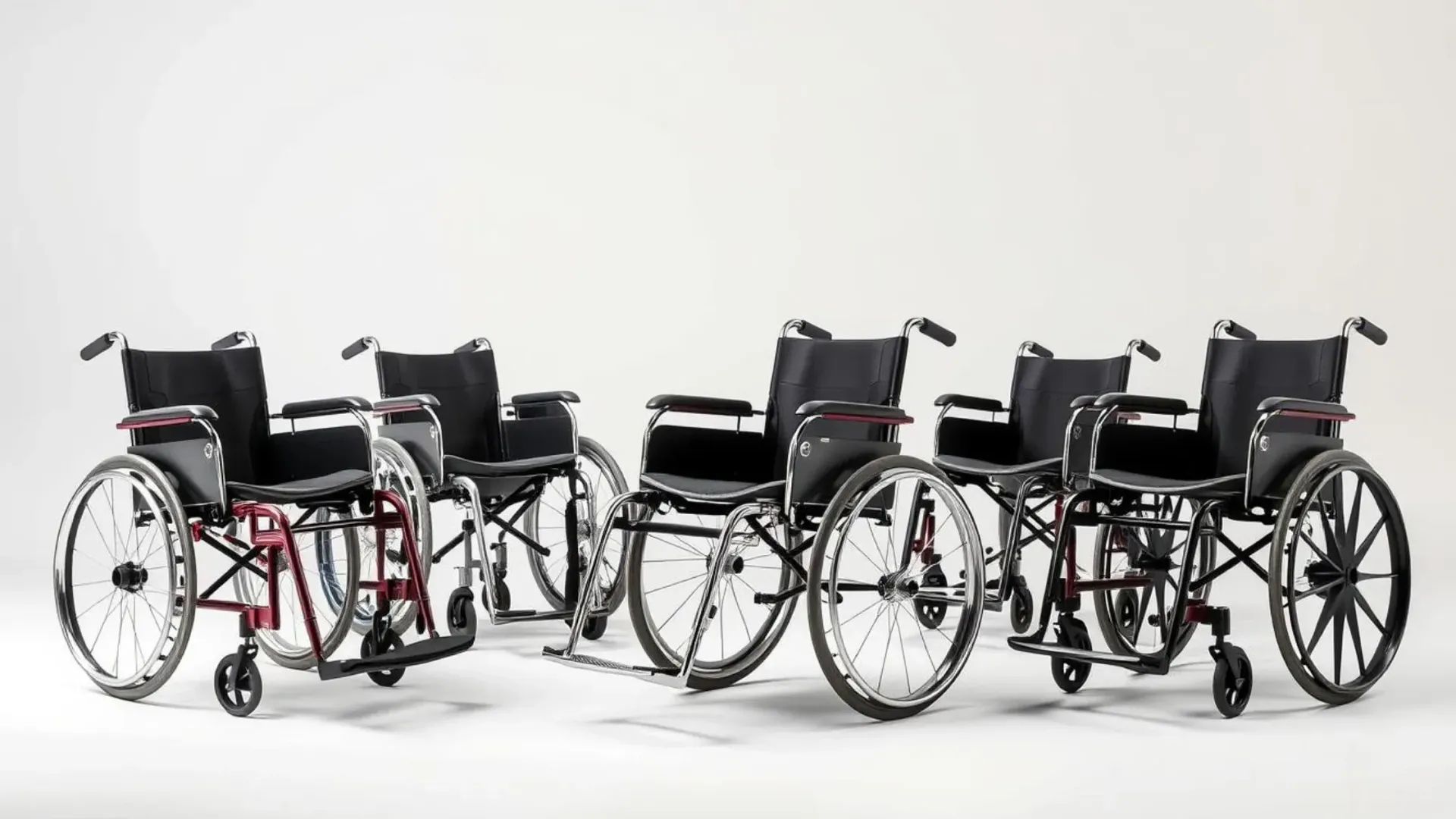
Understanding the Three Main Types of Wheelchairs
While many wheelchairs may look similar at first glance, they’re designed for very different situations.
Manual Wheelchairs
Manual wheelchairs are self-propelled using large rear wheels or pushed by a caregiver. They’re one of the most common mobility solutions because they’re versatile, durable, and available in many styles and weight capacities.
These chairs are often ideal for:
- Individuals with some upper body strength
- Part-time or everyday mobility use
- Indoor and outdoor movement
- Users looking for a lightweight, portable option
Manual wheelchairs also tend to be easier to transport and maintain compared to powered models.
Power Wheelchairs
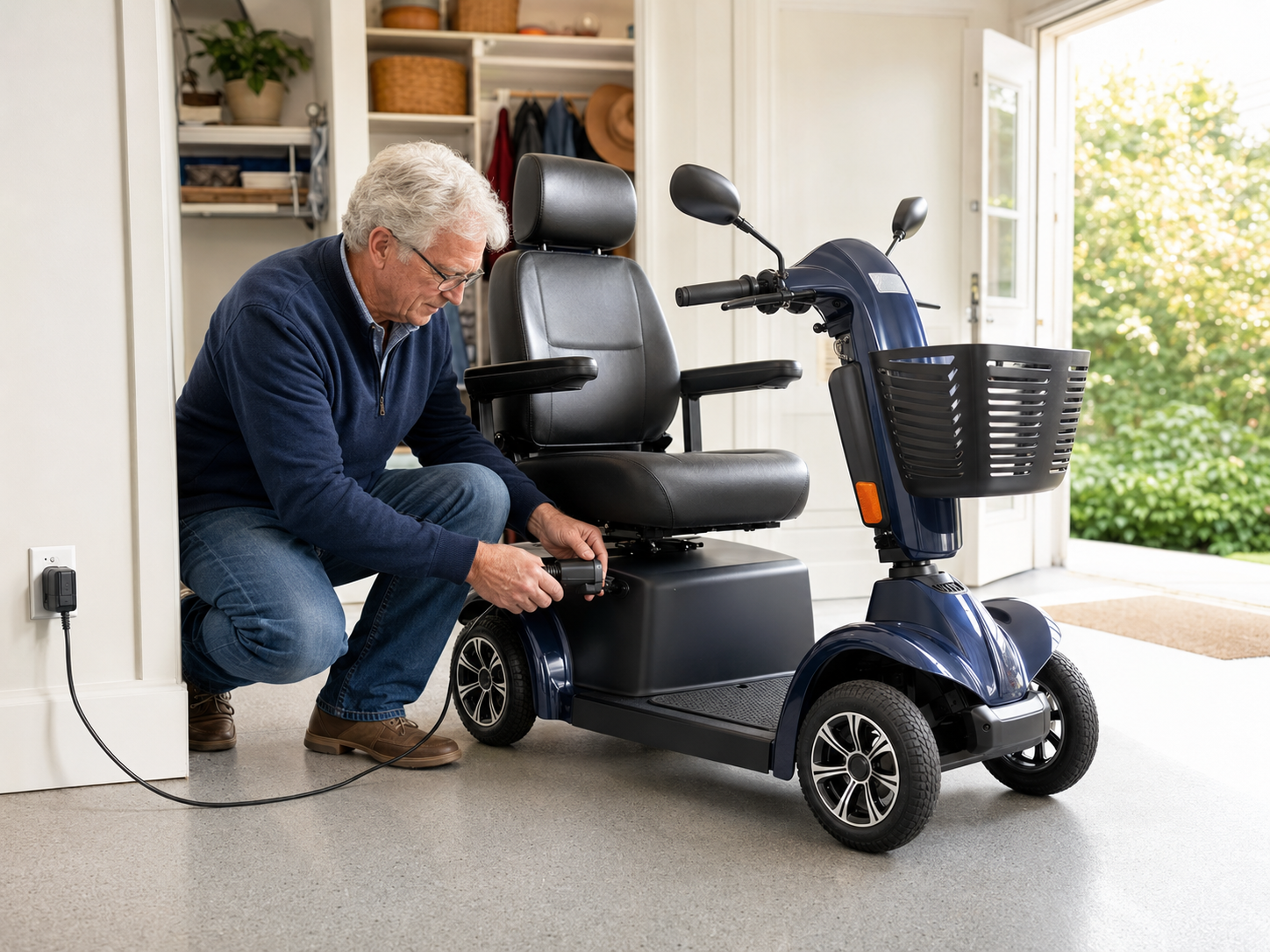
Power wheelchairs use an electric motor and joystick controls to provide mobility assistance without requiring physical pushing or self-propelling.
They’re often best suited for individuals who:
- Have limited upper body strength
- Require long-term or full-time mobility support
- Experience fatigue with manual movement
- Need greater independence throughout the day
A power wheelchair offers excellent maneuverability and comfort, especially for users spending extended periods in the chair. When comparing a manual vs power wheelchair, independence and physical capability are often the deciding factors.
Transport Chairs
Transport chairs are lightweight chairs designed specifically to be pushed by a caregiver. Unlike manual wheelchairs, they typically have smaller rear wheels and are not intended for self-propelling.
They’re commonly used for:
- Medical appointments
- Travel and short outings
- Temporary mobility support
- Easy transportation in vehicles
Because transport chairs are compact and lightweight, they’re often a popular secondary mobility solution for families and caregivers.
Which Wheelchair Is Best for Everyday Use?
The right choice depends heavily on how and where the wheelchair will be used. For someone who needs mobility support throughout the entire day, a power wheelchair may provide the best comfort and independence. On the other hand, individuals who remain active and have sufficient strength may find a manual wheelchair more practical and flexible. Transport chairs work best for shorter durations or situations where a caregiver is always present to assist.
Rather than focusing only on the product itself, it’s important to think about daily routines:
- Will the chair be used indoors, outdoors, or both?
- Does the user need to transport it frequently?
- Will a caregiver regularly assist?
- How much time will the user spend in the chair each day?
These questions often matter more than the chair’s appearance or extra features.
Comfort and Positioning Matter More Than People Realize
One of the most overlooked aspects of choosing a wheelchair is long-term comfort. For individuals who spend several hours in a chair each day, proper support and positioning become extremely important. Poor posture or insufficient cushioning can lead to discomfort, fatigue, and even pressure-related issues over time.
Consider looking into seat width and depth, along with cushioning and pressure relief. In many modern wheelchairs, adjustable armrests and footrests, along with advanced back support are the things that will truly make a difference in the long-run
Transportation and Storage Considerations
Mobility equipment should fit your lifestyle, NOT complicate it.
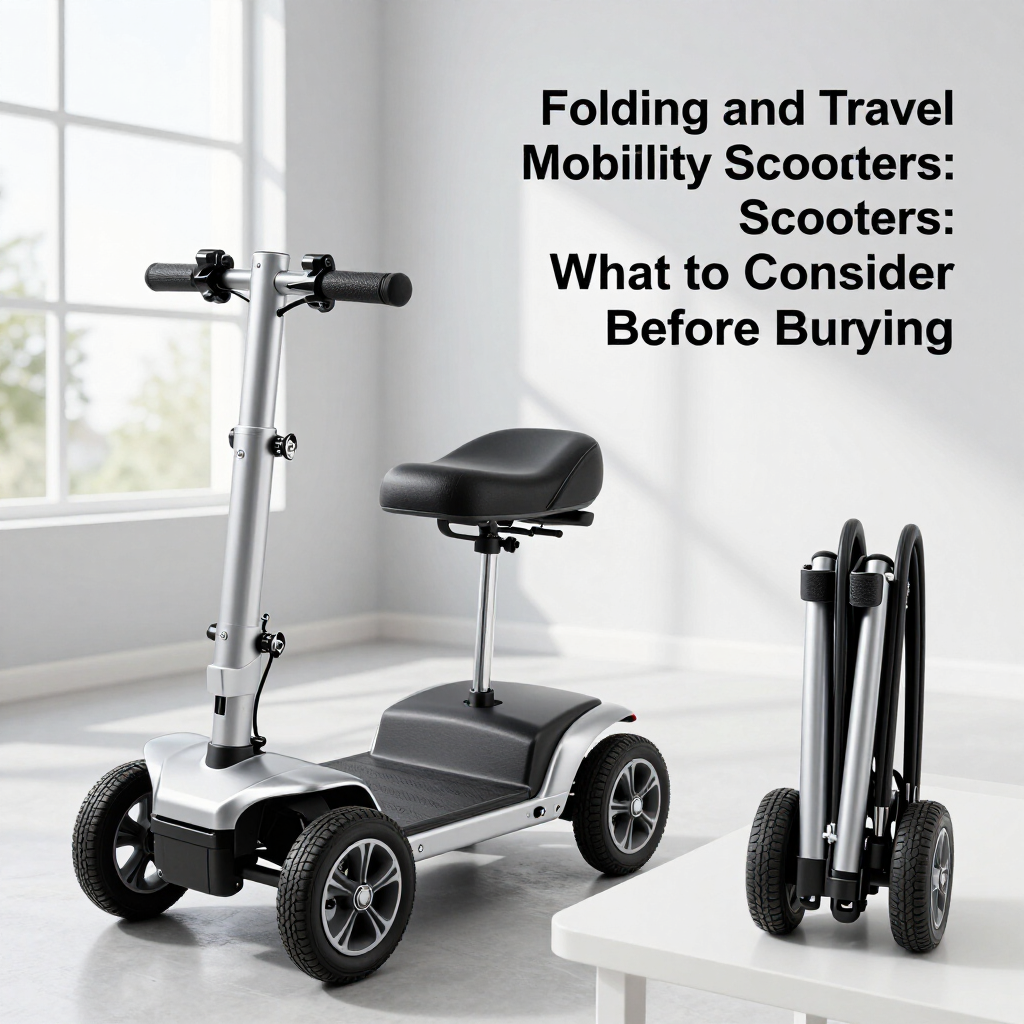
Some wheelchairs are much easier to transport than others. Manual and transport chairs are generally lighter and easier to fold into vehicles, while power wheelchairs are heavier and may require lifts or accessible vans for transportation.
If travel and portability are priorities, that should play a major role in your decision.
For Windsor and Chatham families constantly on the go, this practical side of wheelchair ownership often becomes just as important as comfort itself.
Trying the Right Fit Makes a Difference
Choosing a wheelchair isn’t something that should feel rushed. What works well for one person may feel uncomfortable or impractical for another. Testing different models, understanding positioning needs, and asking questions can help avoid common mistakes. Small details, like seat height, turning radius, or ease of transport, can have a major impact on daily life.
For many people, finding the right fit means balancing:
- Comfort
- Independence
- Safety
- Caregiver support
- And Long-term usability
Final Thoughts
The best wheelchair is the one that supports your daily life safely, comfortably, and realistically.
Whether you’re deciding between a manual chair, transport chair, or powered mobility solution, understanding your needs is the key to making the right choice. Taking the time to evaluate comfort, mobility level, transportation needs, and long-term support can help ensure the wheelchair improves quality of life—not just mobility.
For individuals and families navigating mobility challenges, choosing the right wheelchair can make everyday routines safer, easier, and more independent.