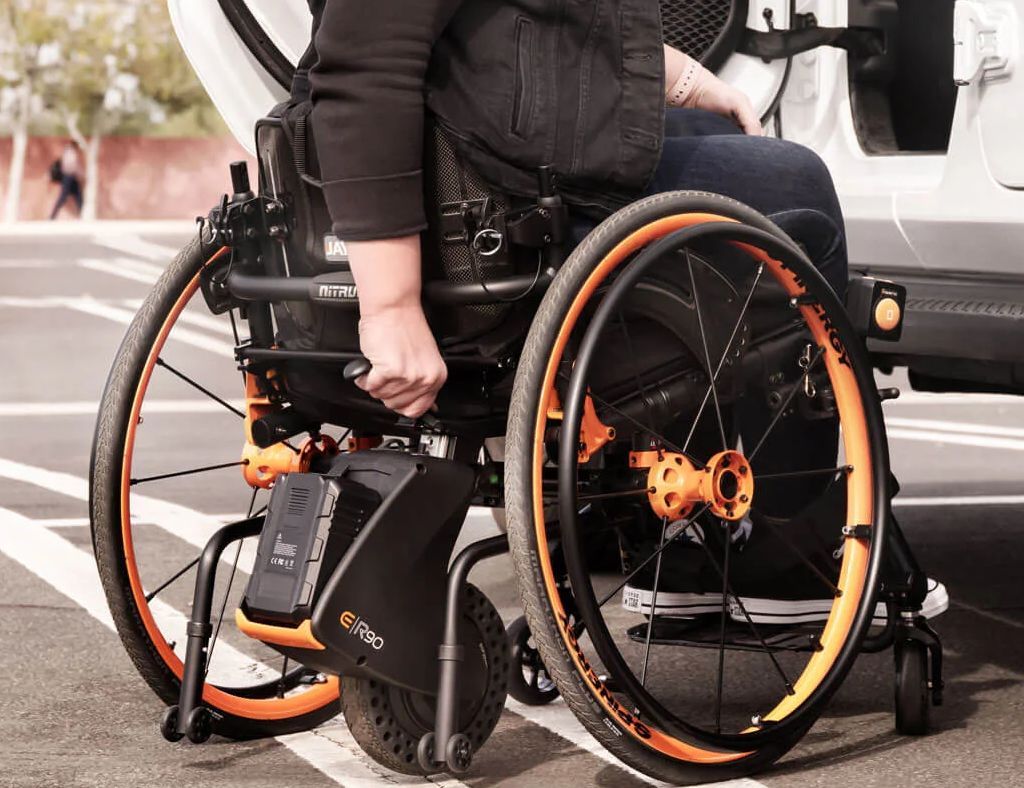
A mobility scooter can make everyday activities feel more manageable, from visiting family and shopping to attending appointments or enjoying time outdoors. However, choosing the right scooter involves more than selecting a model that looks comfortable.
Different scooters are designed for different environments, travel habits, body types, and levels of support. Someone who mainly needs assistance inside stores may require a very different model than someone who plans to travel longer distances outdoors.
When comparing mobility scooters, start with how the equipment will fit your daily routine. Portable, full-size and heavy-duty are useful starting categories, but their features can overlap. Compare each model’s seating, controls, dimensions and transport requirements before deciding.
Start with How You Plan to Use Your Scooter
Before comparing features, think about where and how often the scooter will be used.
Will it mainly be used indoors, around the neighbourhood, or on longer community outings? Does it need to fit into a vehicle? Will it travel over sidewalks, grass, or uneven surfaces? Does the user live in a home with narrow hallways or limited storage space?
These questions help determine whether a portable, full-size, or heavy-duty scooter is the most practical option.
Portable and Travel Mobility Scooters
Portable scooters are designed with transportation and storage in mind. Some separate into smaller components, while others fold. The method matters because it affects what the user or family member needs to lift, handle and store.
Check the weight of the heaviest component, or the folded scooter if it remains in one piece and its dimensions in the configuration you will transport. A portable label does not establish whether it will fit your vehicle or be manageable to load.
Full-Size Scooters for Everyday Mobility
Full-size scooters offer a balance between comfort, stability, and practical daily use. They are typically larger than travel scooters and may include more supportive seating, improved suspension, longer battery range, and greater ground clearance.
These models may work well for people who regularly use their scooter:
- Around their neighbourhood
- In larger stores or public spaces
- On paved outdoor paths
- For longer outings
- As a primary form of community mobility
Many people searching for mobility scooters for seniors assume that the smallest model will be the easiest choice. While compact scooters can be convenient, a full-size scooter may provide better comfort and stability for someone who spends more time using it.
The right choice depends on the user’s balance, posture, endurance, home environment, and transportation needs.
When a Heavy-Duty Scooter May Be Appropriate
A heavy-duty scooter may be appropriate when a higher weight capacity or different seating dimensions are needed. Check capacity and seat fit separately. A suitable weight rating does not necessarily mean the seat provides the right width, depth or support.
Confirm the manufacturer’s capacity limits and how accessories and carried items are counted. Capacity should be checked for every scooter, regardless of category. Some heavy-duty models offer larger tires, suspension or additional ground clearance, but the category name does not establish suitability for uneven ground or slopes. Review the specific model’s intended surfaces and operating limits.
Also confirm its overall dimensions, storage requirements and whether vehicle transportation would require compatible loading equipment.
Consider Three Wheels Versus Four Wheels
Wheel configuration is one part of the comparison. Consider each model’s turning radius, overall dimensions, foot space and intended operating conditions alongside how it feels to use.
Avoid choosing solely on the assumption that every three-wheel scooter turns more tightly or that every four-wheel scooter suits every outdoor route. Our three-wheel versus four-wheel mobility scooter guide explores the differences in more detail.
Battery Range Is Only One Part of the Decision
Manufacturers often provide an estimated maximum driving range, but real-world performance can vary. User weight, hills, surface conditions, temperature, tire condition, and battery age can all affect how far a scooter travels between charges.
Compare the distance of your regular outings with the model’s published range and allow a practical reserve for changing conditions or detours. Follow the manufacturer’s charging and storage instructions. For more detail on range expectations and ongoing care, see our mobility scooter batteries, range and maintenance guide.
Comfort, Controls and Fit Should Be Tested
A scooter may look suitable on paper but feel very different once the user is seated.
Important areas to evaluate include:
- Seat width and depth
- Back support
- Armrest position
- Steering control reach
- Foot placement
- Ease of getting on and off
- Visibility and comfort while turning
Ask whether a demonstration or trial is available, what operating instruction is provided and how ongoing service is handled. If posture, balance, transfers or access to the controls raises concerns, involve an appropriate healthcare professional in the selection process.
Find the Scooter That Supports Your Daily Life
Start with your routine, then compare the specific scooters that meet your seating, control, range and transport requirements.
Category names can help narrow the discussion, but the final choice should reflect the individual and the environments where the scooter will be used.
Bring your priorities, relevant home measurements and vehicle details when discussing options with Universal Health Products. Contact UHP to discuss your next step.