The goal for seniors has shifted more in recent years than ever before, it isn't simply to stay in their home—it's to stay comfortable, safe, and independent for as long as possible. While many people wait until a fall, injury, or health change forces them to make modifications, planning ahead often provides the best results.
Creating an accessible home doesn't mean giving up comfort or changing the way you live. In many cases, small adjustments made today can help prevent larger challenges tomorrow. Whether you're planning for yourself or helping a loved one age in place, understanding your options can make all the difference.
Why Accessibility Planning Matters
As we age, everyday tasks can gradually become more challenging. Stairs may feel more difficult to navigate, getting in and out of chairs may require more effort, and bathrooms can become potential safety hazards.
The reality is that many accidents occur in homes that were never designed with aging adults in mind. By planning ahead and making thoughtful improvements before problems arise, homeowners can often reduce risks while maintaining their independence. For many families, proactive planning also provides peace of mind. Knowing that a home is safer and easier to navigate allows seniors to remain confident in their daily routines while reducing concerns for family members.
Common Areas That Create Challenges
Every home is different, but there are several areas that frequently become obstacles as mobility changes over time.
Stairs
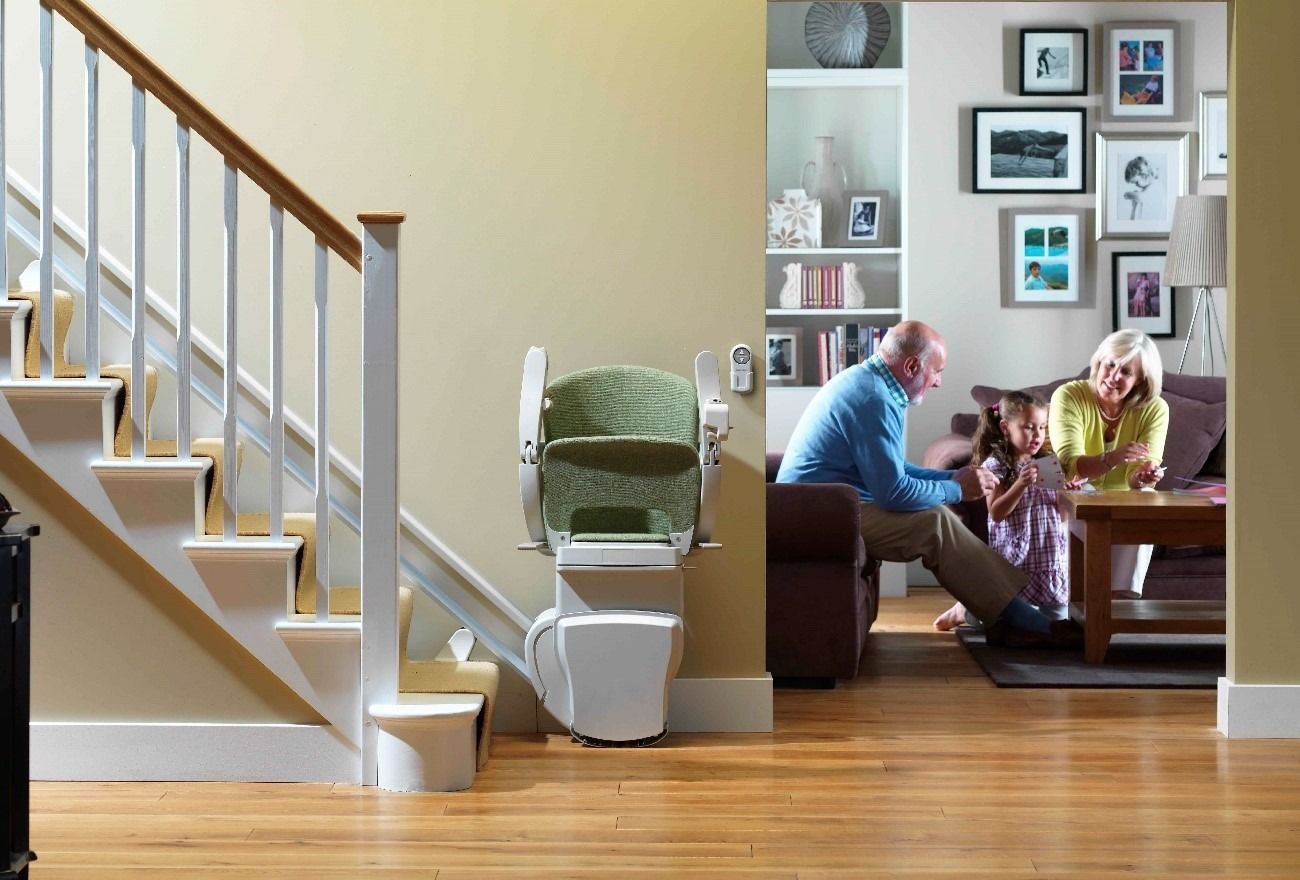
Staircases are one of the most common barriers for older adults. Even individuals who are active and independent today may find stairs more difficult due to arthritis, joint pain, balance concerns, or reduced strength.
Solutions such as stair lifts can help homeowners continue using every level of their home safely and comfortably without the need to relocate.
Bathrooms
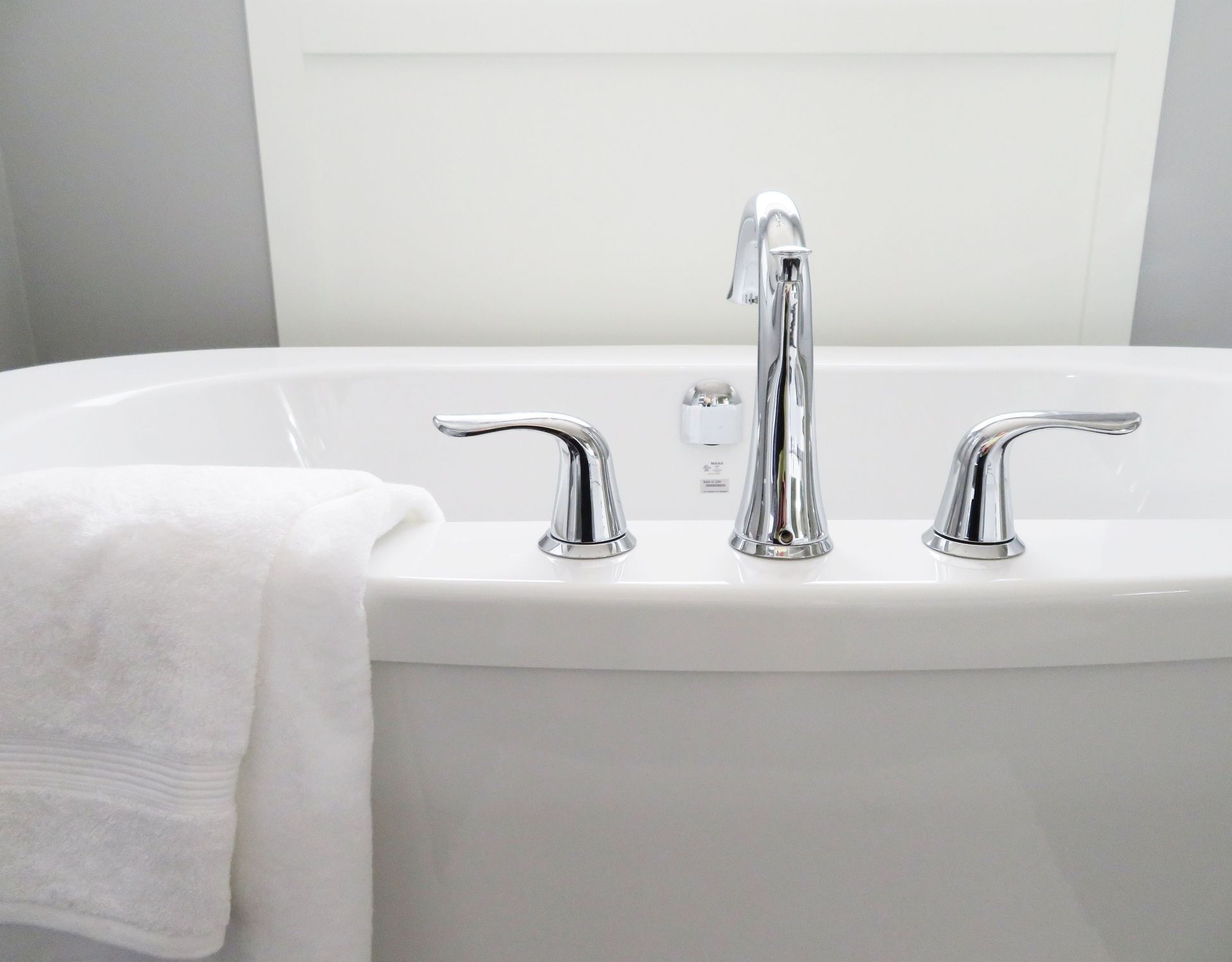
Bathrooms present one of the highest risks for slips and falls. Wet surfaces, high bathtub walls, and limited support can make everyday tasks more difficult.
Accessibility upgrades such as grab bars, shower seating, raised toilet solutions, and other bathroom safety products can significantly improve confidence and safety.
Bedrooms
Getting in and out of bed can become increasingly challenging over time. Adjustable beds provide customizable positioning that can make sleeping more comfortable while also assisting with mobility, circulation, and daily independence.
Living Areas
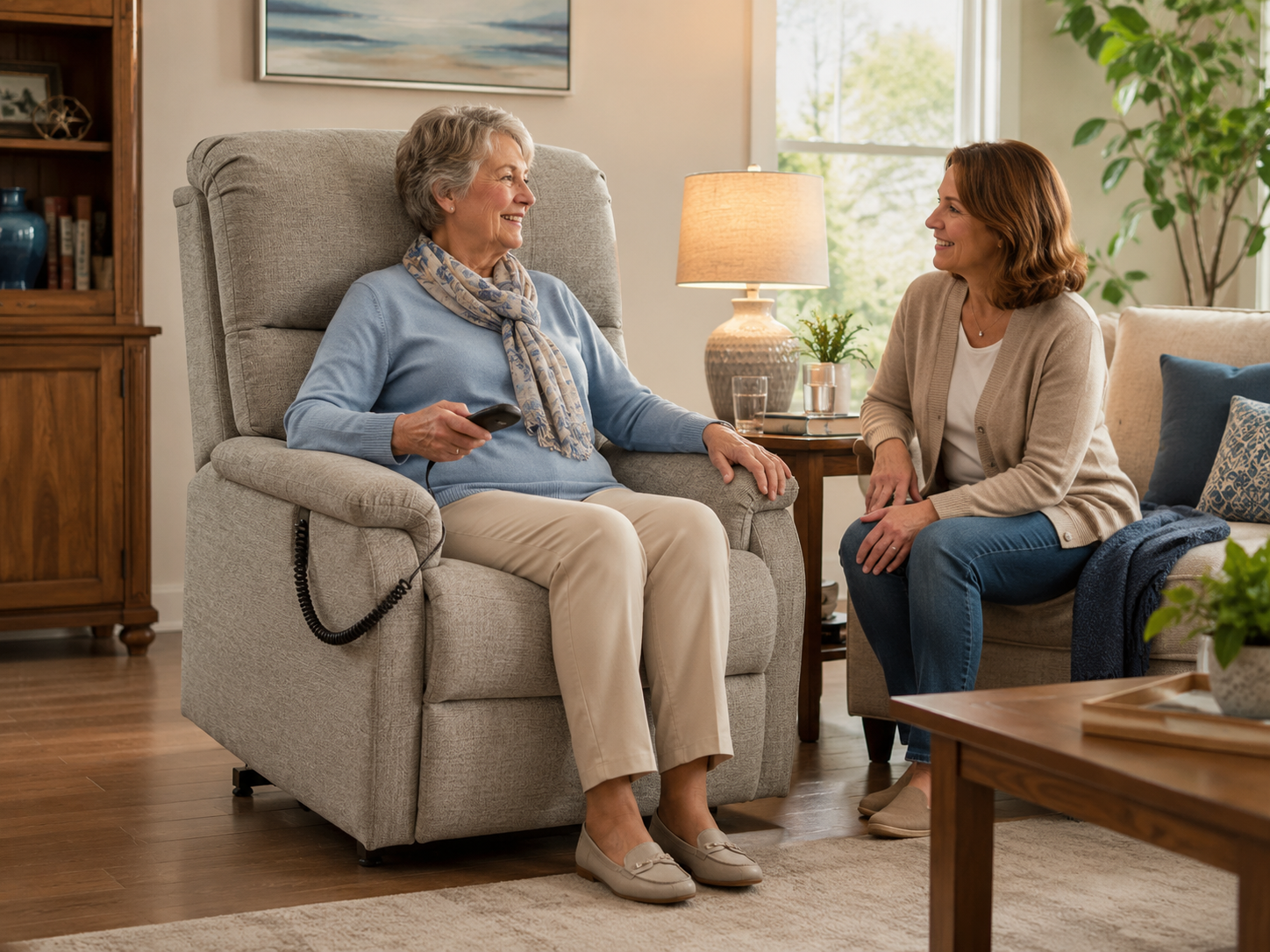
Many seniors spend most of their day in common living spaces. Lift chairs can provide valuable assistance when transitioning from sitting to standing while also delivering exceptional comfort for relaxation, reading, or watching television.
Mobility Solutions That Support Independence
One of the biggest misconceptions about mobility equipment is that it reduces independence. In reality, the opposite is often true.
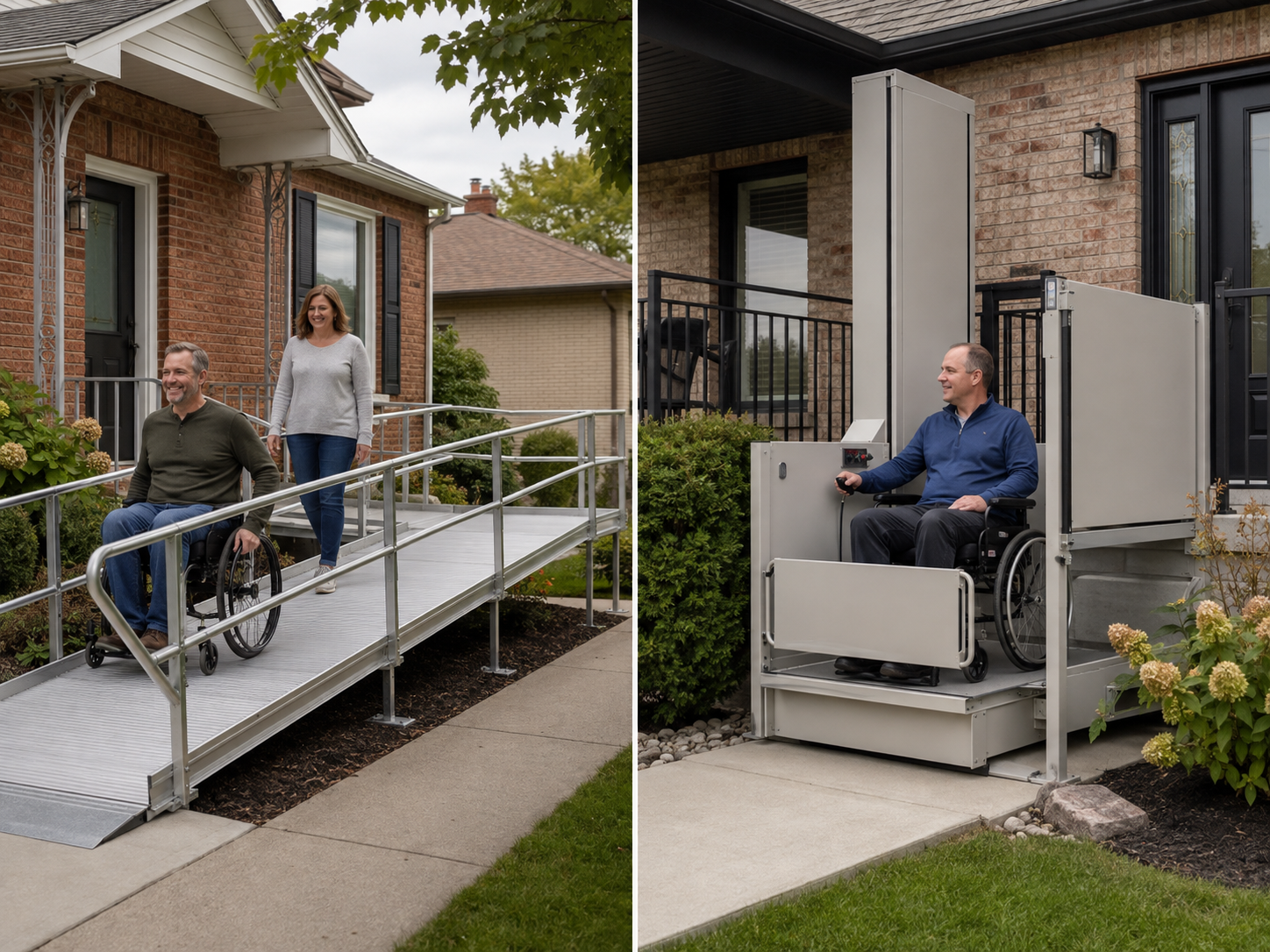
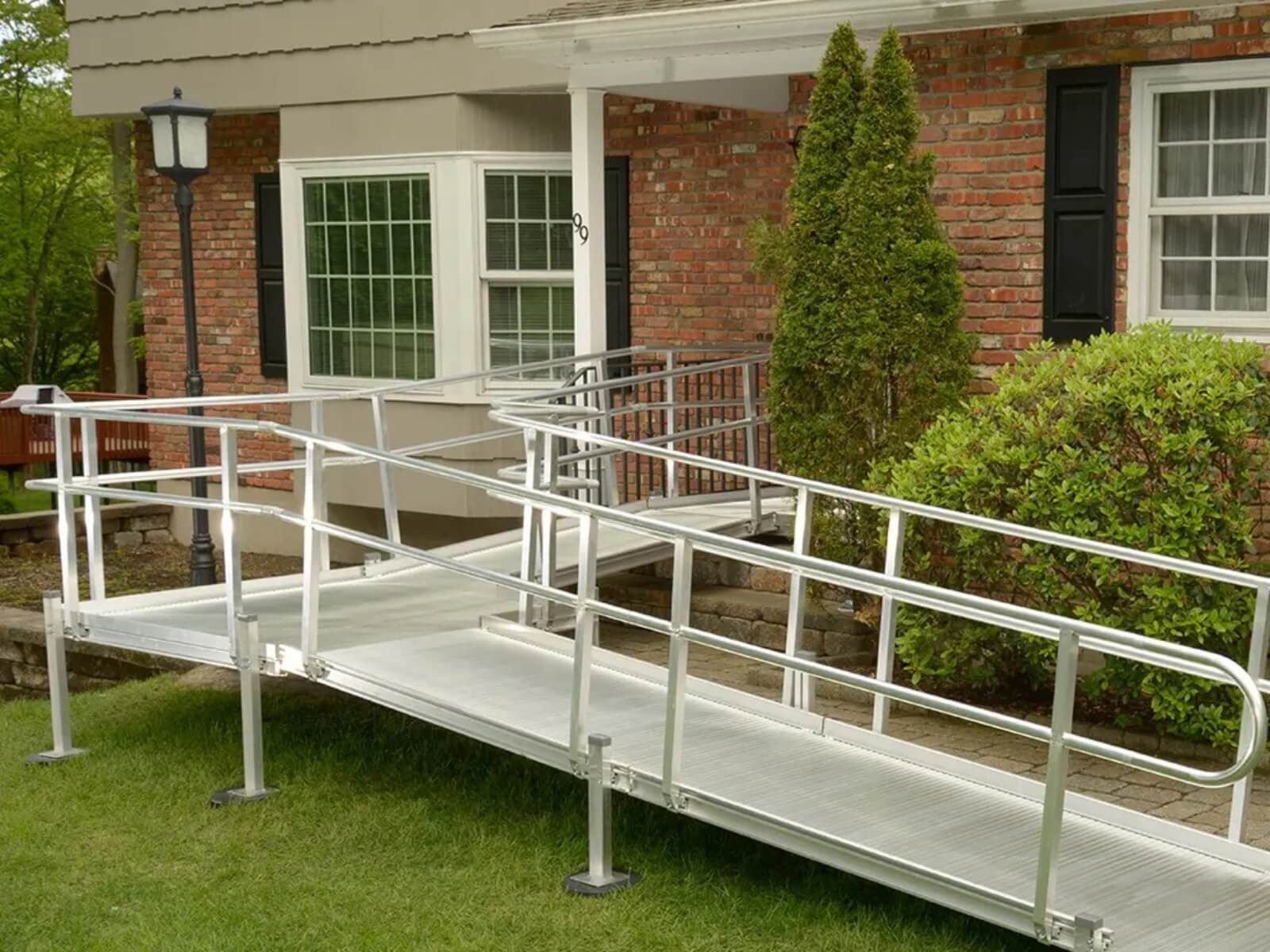
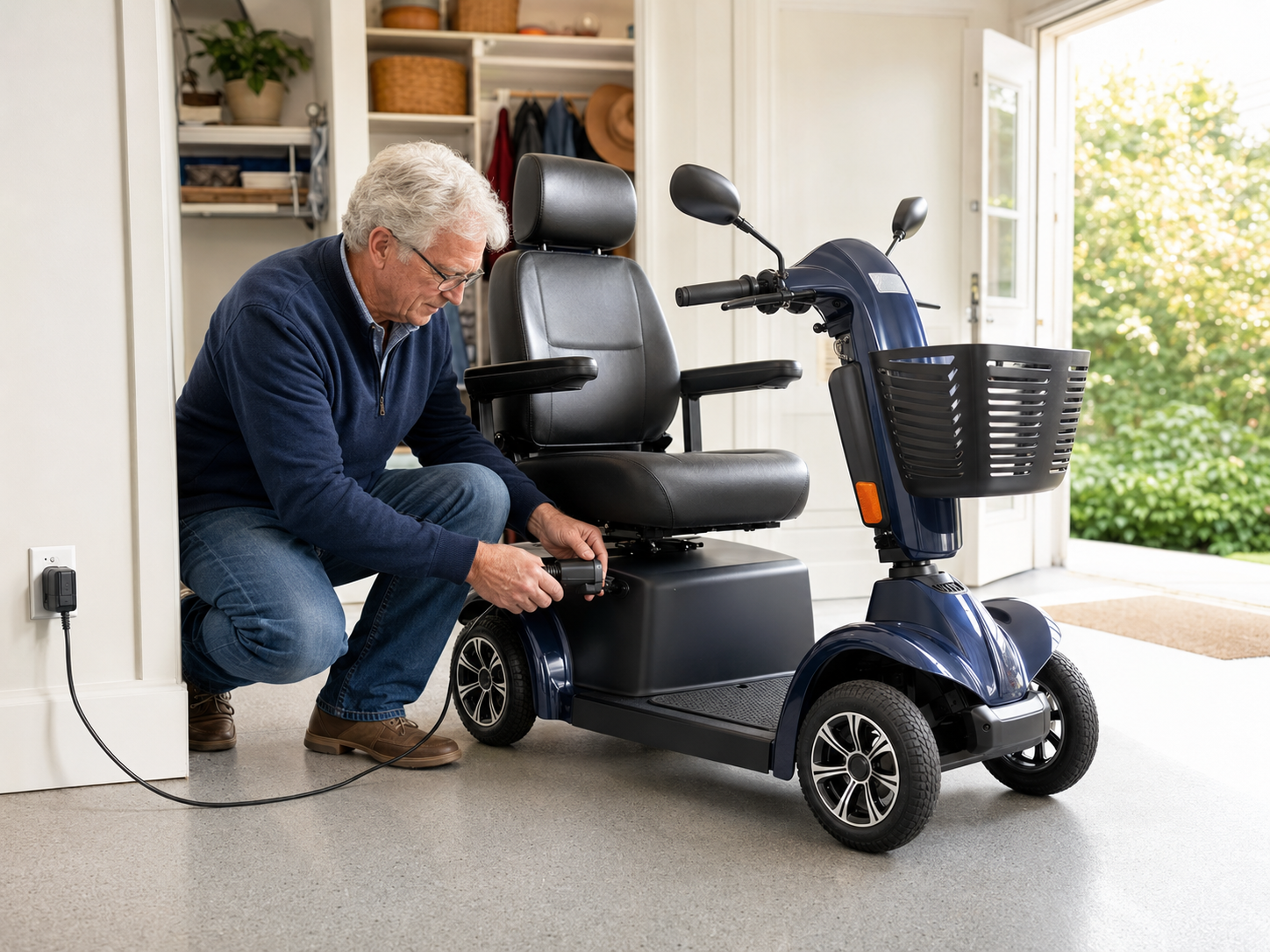
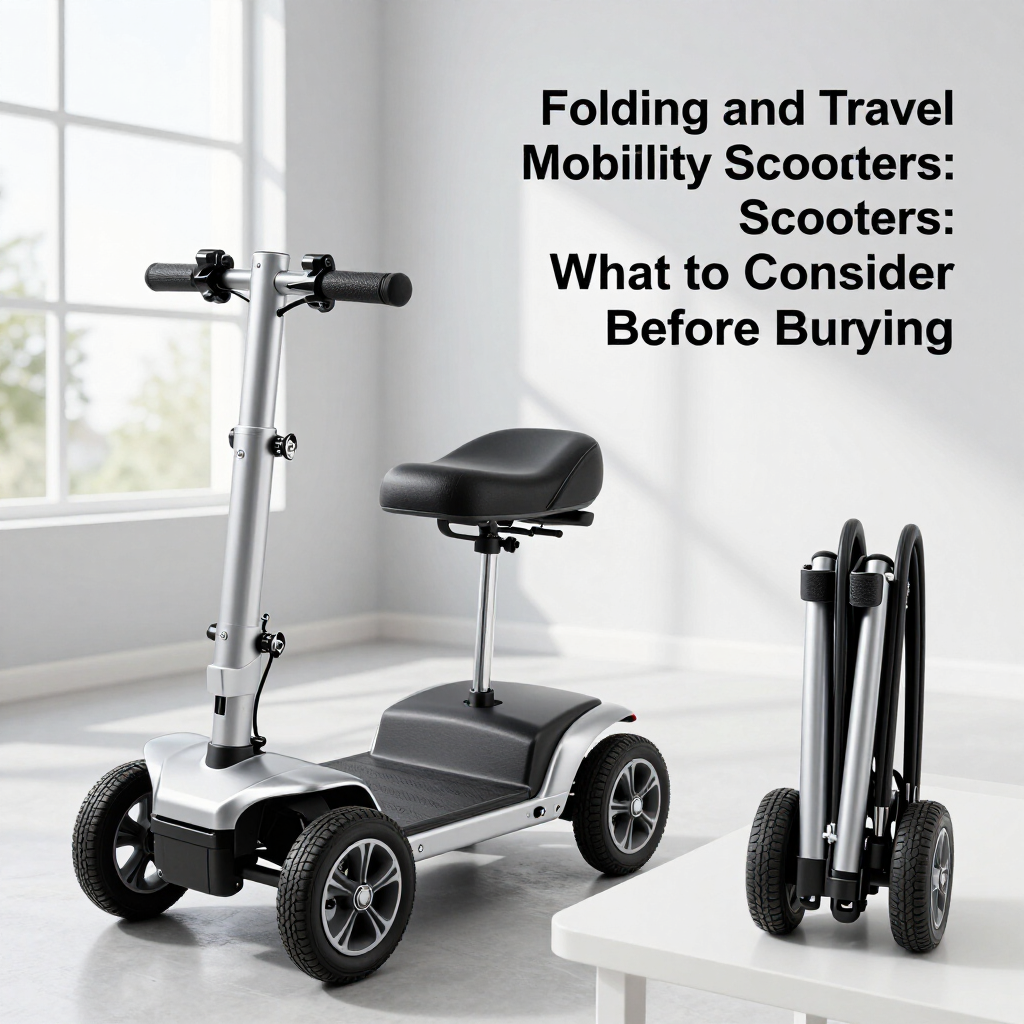
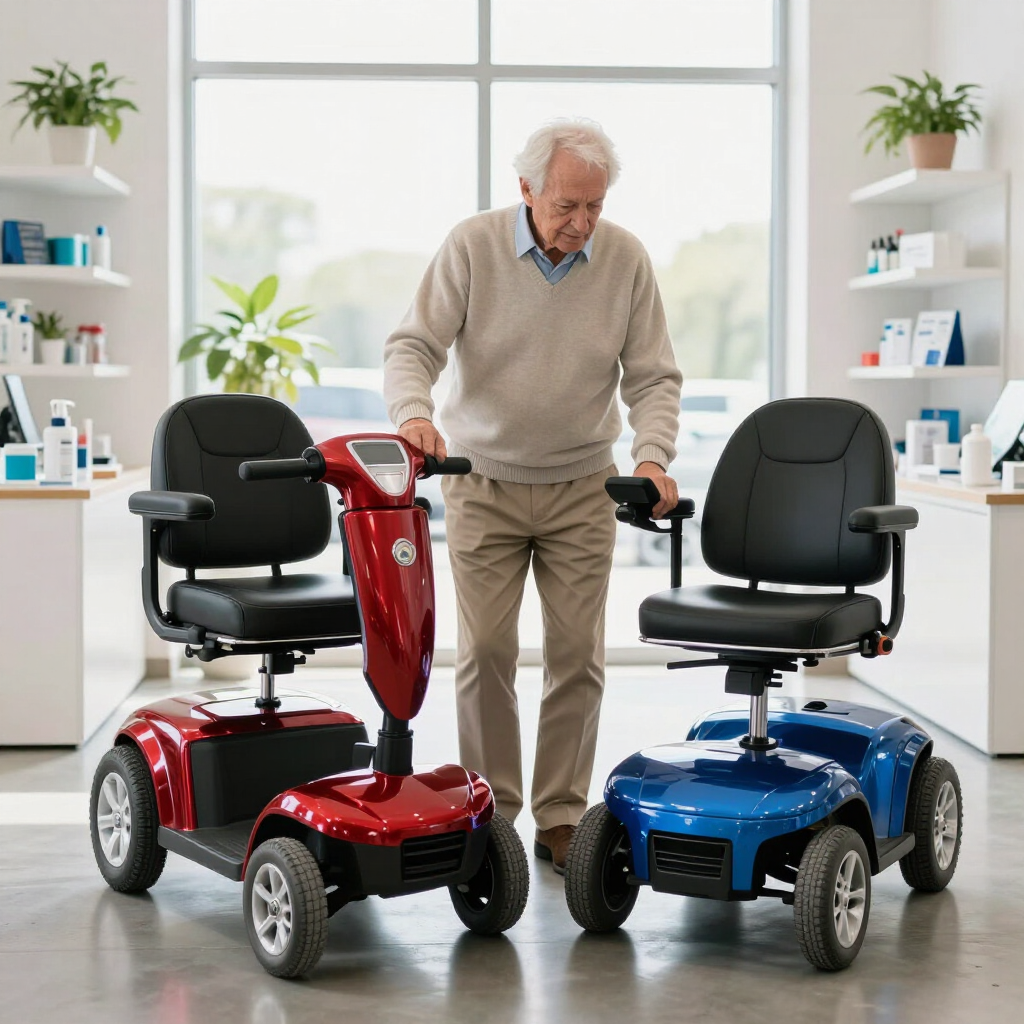
Modern mobility products are designed to help people remain active and engaged in their daily lives. Equipment such as mobility scooters, walkers, wheelchairs, and lift systems can help individuals continue shopping, attending appointments, visiting family, and participating in community activities.
The Benefits of Planning Before You Need It
Many families begin exploring accessibility options only after a significant event occurs. While solutions can certainly help after an injury or health diagnosis, planning ahead offers several advantages.
More Time to Evaluate Options
When changes are made proactively, families have the opportunity to research products, ask questions, and choose solutions that best fit their needs rather than making rushed decisions during a difficult situation.
Increased Safety
Addressing potential hazards before they become serious risks helps reduce the likelihood of falls and injuries.
Greater Comfort
Accessibility solutions are often designed to improve comfort as much as safety. Features such as lift chairs, adjustable beds, and mobility aids can make everyday activities easier and more enjoyable.
Long-Term Cost Savings
Making strategic home accessibility improvements can often delay or eliminate the need for more costly alternatives, such as assisted living or extensive home renovations.
Creating a Personalized Accessibility Plan
There is no one-size-fits-all approach to home accessibility. Every individual has different goals, lifestyles, and mobility needs.
Some homeowners may benefit from a simple bathroom safety upgrade, while others may require more comprehensive accessibility solutions throughout the home. The key is finding products and equipment that support both current and future needs.
Working with experienced accessibility professionals can help families understand available options and create a plan that promotes long-term independence.
Supporting Windsor Families Every Step of the Way
At Universal Health Products, we understand that maintaining independence is important to both seniors and their families. Our team works closely with Windsor and Essex County residents to help identify accessibility solutions that support safety, comfort, and confidence at home.
Whether you're exploring stair lifts, adjustable beds, lift chairs, mobility equipment, or home accessibility products, we're here to help you find the right solution for your unique needs.