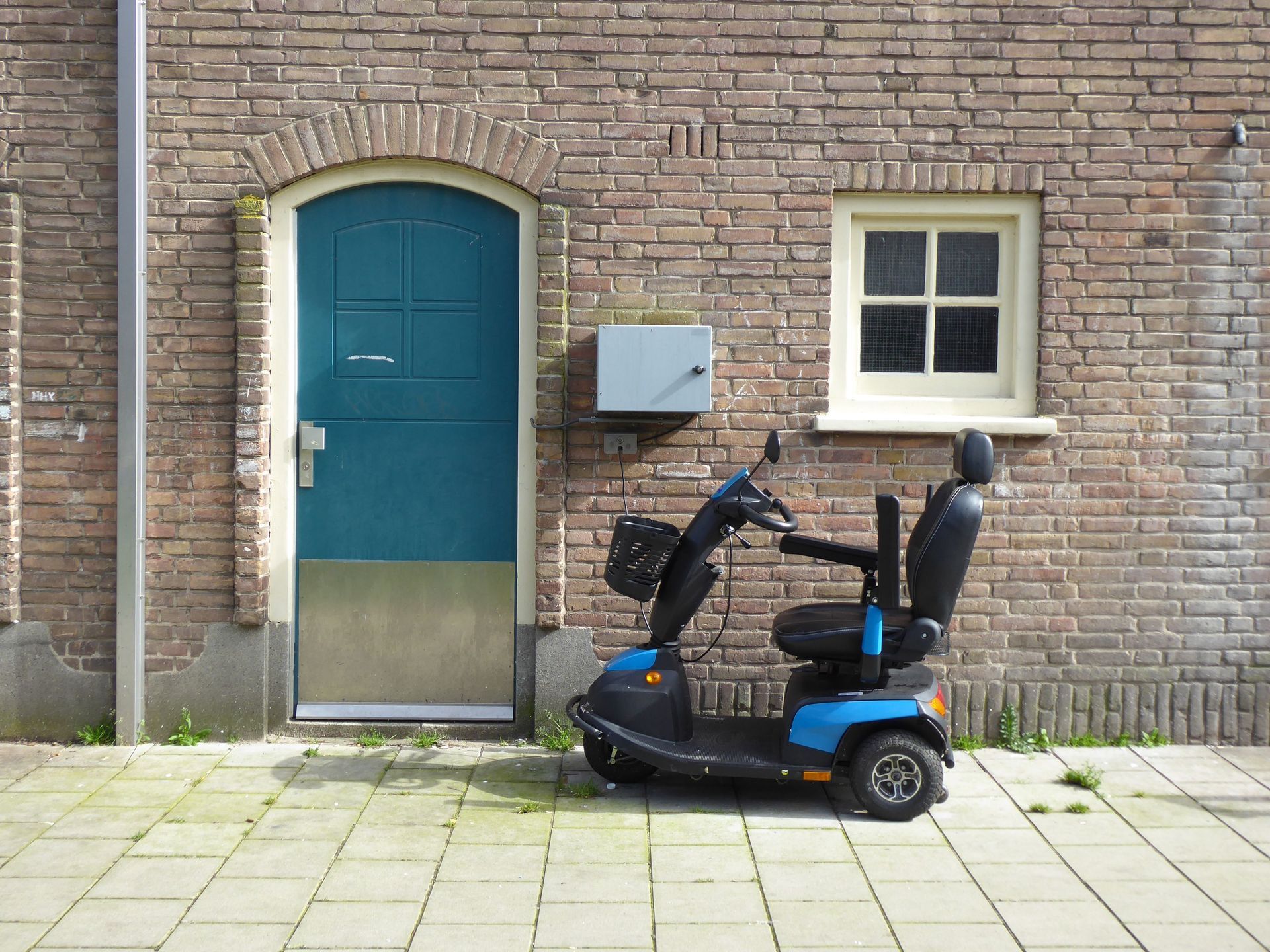
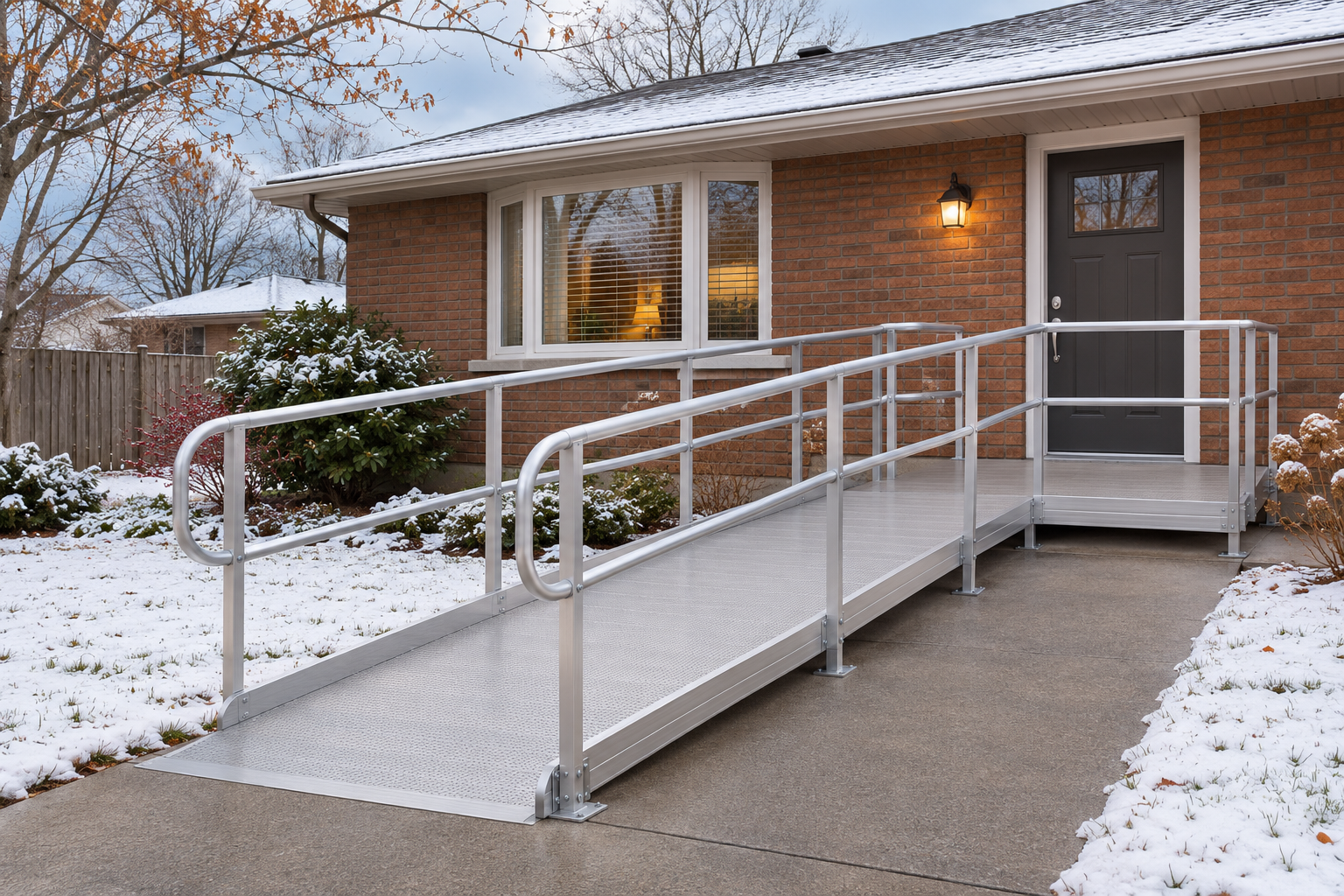
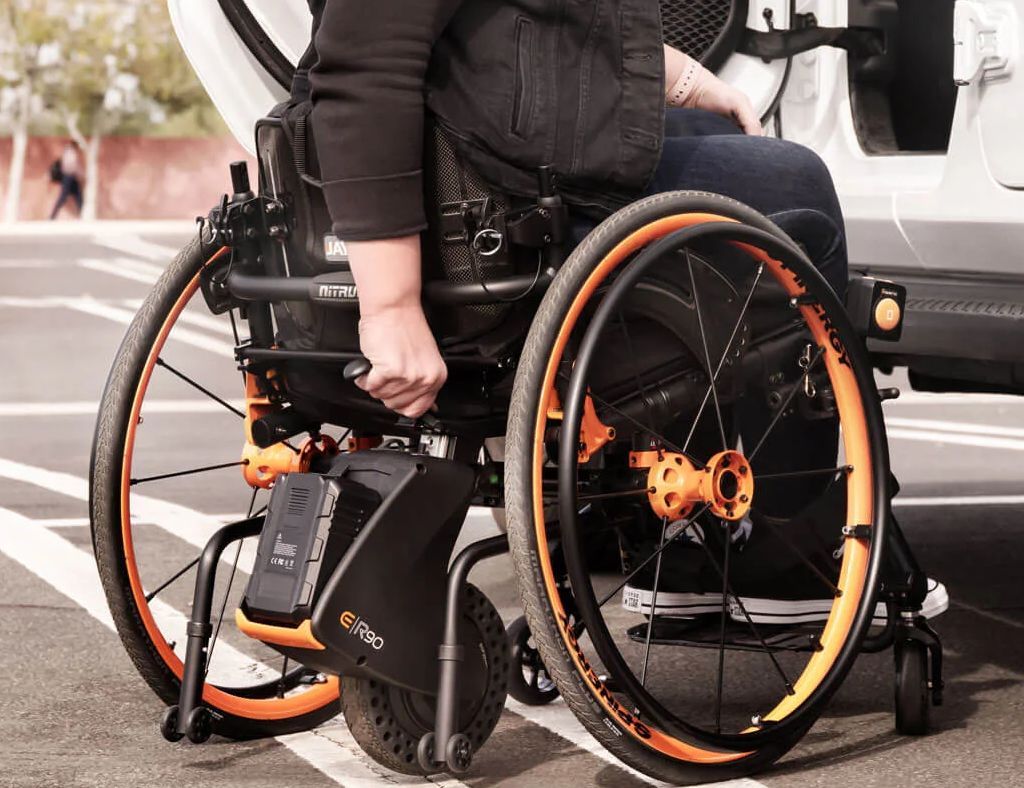
A compact mobility scooter can make day trips, appointments and visits with family easier to manage. However, “portable” can mean different things depending on the scooter. Some models fold into one piece, while others separate into several smaller components for transportation.
Before choosing a folding wheelchair or mobility scooter, it is important to look beyond how compact it appears. Weight, vehicle space, battery design, comfort and intended use can all determine whether a scooter will be practical in everyday life.
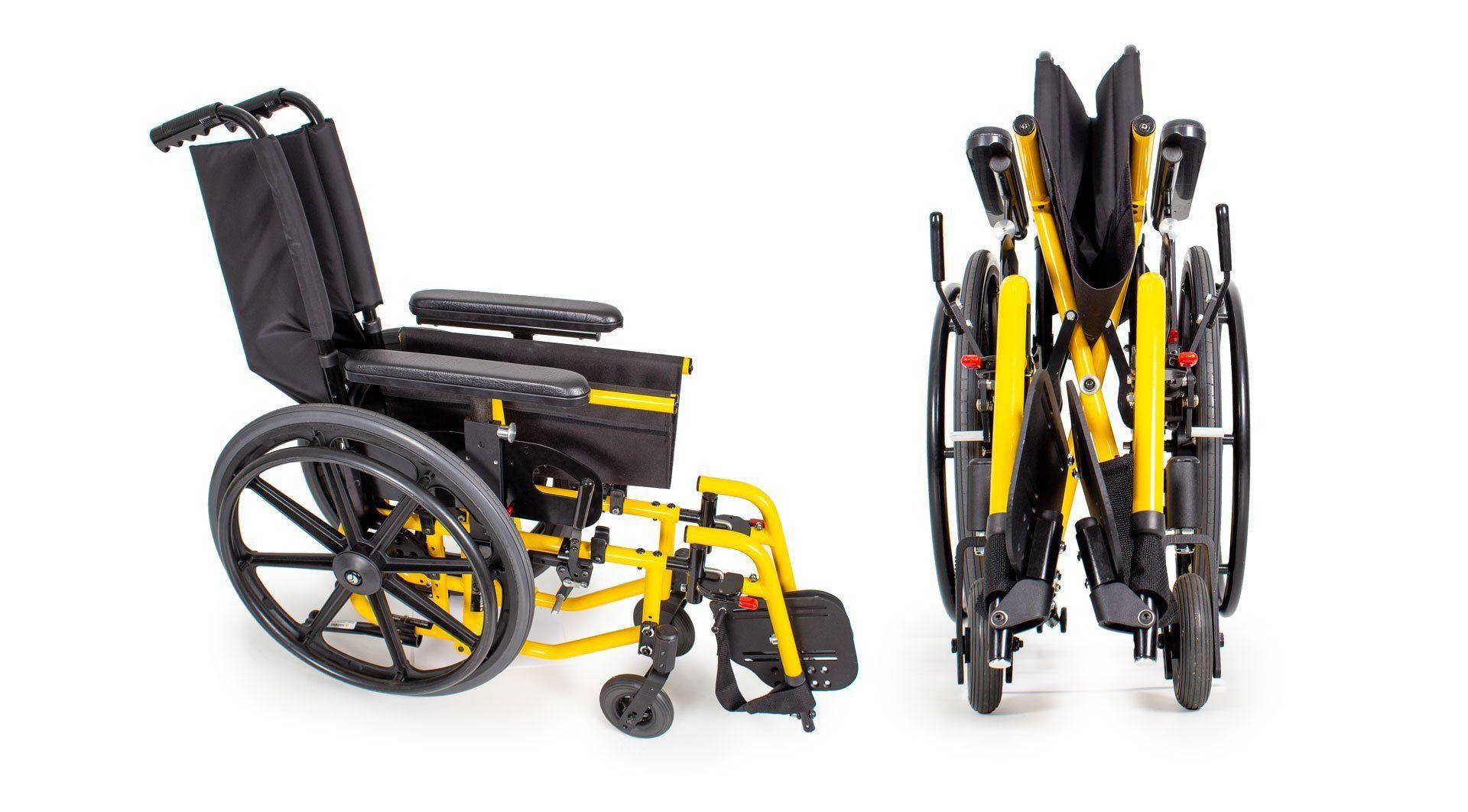
Folding or Disassembling: What Is the Difference?
Folding scooters typically collapse into a smaller shape while remaining mostly or entirely in one piece. Depending on the model, the folding mechanism may be manual or powered. This design can reduce the number of parts that need to be handled, but the folded scooter may still be relatively heavy to lift.
Scooters that disassemble separate into components according to the manufacturer’s instructions. Depending on the model, these may include the seat, battery pack and sections of the base. Ask for a demonstration of the complete process, including releasing connections, handling each component and securing everything correctly during reassembly.
Neither style is automatically better. The right choice depends on who will load the scooter, how often it will be transported and whether handling multiple pieces is comfortable and practical.
Look Beyond the Total Scooter Weight
When comparing a lightweight mobility scooter, two weight measurements deserve attention:
- The scooter’s total assembled weight
- The weight of its heaviest individual component
For a disassembling scooter, confirm the weight of the heaviest piece you will actually handle. For a folding model, confirm the lifting weight in its intended transport configuration. Ask whether quoted weights include the battery, seat and accessories.
Weight alone does not establish whether loading will be manageable. Consider the component’s shape, approved lifting points, your grip and the height it must be raised. If a ramp or vehicle lift is being considered, have compatibility and load limits checked for the complete setup.
Measure Your Vehicle Before Choosing a Scooter
A scooter being labelled portable does not guarantee that it will fit comfortably in every trunk or cargo area. Measure the available space in your vehicle, including:
- The width and height of the trunk opening
- The usable cargo-floor dimensions
- Any raised edges or narrow points
- The space available after accounting for other items
Compare the scooter’s folded dimensions, or the dimensions of its separated components, with the actual vehicle opening and usable cargo space. Allow room for other items and any equipment needed for loading.
Ask whether the proposed setup can be demonstrated with your vehicle. Consider the complete movement through the opening, the loading height and how the unoccupied scooter or components will be secured according to the relevant manufacturer instructions.
Understand the Battery and Travel Requirements
Battery design affects charging, storage and transportation. Some travel scooters have removable battery packs that can be carried indoors for charging. Others may need to remain close to an electrical outlet while assembled.
Anyone comparing travel mobility scooters should also consider seasonal storage. Batteries should be charged and maintained according to the manufacturer’s recommendations, particularly when a scooter will not be used regularly during colder Windsor and Essex County weather. Our mobility scooter battery, range and maintenance guide explains charging and ongoing care in more detail.
If air travel is part of the plan, contact the airline well before departure. Airlines may have specific requirements for mobility devices and battery types. Ask what documentation is needed, how the scooter will be handled and whether the battery must be removed or protected. Policies can vary, so confirmation should come directly from the transportation provider.
Portability Usually Involves Trade-Offs
Compact scooters are designed to reduce weight and make transportation easier. To achieve that, they may use smaller batteries, lighter seating and shorter wheelbases than full-size models.
These differences can affect:
Driving Range
Smaller batteries may provide less range between charges. Consider the distance of typical outings rather than relying only on the maximum advertised range, which can be affected by terrain, user weight, temperature and battery condition.
Comfort
Compare the actual seat, back support, armrests, foot space and tiller adjustment. A scooter that is convenient to transport still needs to accommodate the user’s seating position and control access for the time they expect to spend using it.
Outdoor Performance
Smaller wheels and reduced ground clearance can make uneven sidewalks, gravel, grass and raised thresholds more challenging. A portable scooter that performs well in a shopping centre may not be the best choice for extended outdoor use.
Stability and Support
Check the model’s weight capacity, seating dimensions and intended operating conditions separately. If the user needs additional postural support or has concerns about balance or transfers, involve an appropriate healthcare professional. A larger scooter should not automatically be treated as the solution to every support need.
Try the Scooter in Realistic Situations
Specifications provide a helpful starting point, but they cannot fully explain how a scooter will feel to operate, fold or lift. Whenever possible, try several models and consider the complete routine:
- Check the seat, armrests, foot space and reach to the controls.
- Ask for operating guidance before comparing steering, starting and stopping in a controlled space.
- With the scooter unoccupied, have the provider demonstrate the manufacturer’s folding or disassembly procedure.
- Assess the actual handling and lifting required, including any assistance or loading equipment.
- Check the intended vehicle fit and transport securement.
- Have the provider demonstrate reassembly, locking mechanisms and the checks required before using the scooter again.
This practical comparison can reveal issues that are easy to miss when shopping from photographs or product descriptions.
Find the Right Travel Scooter in Windsor
Choose a travel scooter around the complete routine: using it, folding or disassembling it, loading it, transporting it and preparing it for use again. The most practical option is one that meets the user’s needs and can be handled with the support available.
Explore UHP’s mobility scooter options, or contact Universal Health Products to discuss your requirements.