Updated October 8, 2026
Mobility technology in 2026 offers families more to consider than a device's size or appearance. Connected power wheelchairs, additional control options and lightweight designs are bringing different ways to approach everyday mobility.
A useful innovation is one that fits the person, their routine and their surroundings. This October update looks at documented manufacturer developments and current design examples. Some were introduced before 2026; their inclusion here describes equipment choices available to explore, rather than treating every feature as a new launch.

1. Connected Power Wheelchairs Offer More Information
Permobil's Canadian product information lists October 1, 2026 as the activation date for connectivity on existing wheelchairs equipped with its Power Platform. The manufacturer says the connectivity hardware is already built into these chairs.
On compatible equipment, MyPermobil provides information such as estimated battery range, distance and seating behaviour. Permobil also offers QuickConfig, a wireless programming tool intended for clinicians and equipment providers working with Power Platform chairs. These are specific manufacturer features, rather than capabilities shared by every power wheelchair.
Ask which functions apply to the exact chair being considered, what setup is required and who provides support. Connectivity information should not be confused with autonomous driving or universal obstacle avoidance.
2. Control Options Can Be Matched to the Rider
On April 13, 2026, Sunrise Medical announced Dynamic Controls LiNX as an additional control-system option for the QUICKIE Q300 M Mini, alongside PG Drives R-Net. Its announcement describes programmable memory seating and live diagnostic information, depending on the configuration.
This illustrates how controls and seating functions can be considered together. Before ordering, confirm the Canadian configuration, supported functions and suitability with the equipment provider and clinical team. A feature list alone cannot establish whether a control system is appropriate for a particular person.
3. Lightweight Folding Designs Need Careful Weight Comparisons
Carbon-fibre construction is one current approach to portable powered mobility. Sunrise Medical lists the QUICKIE Q50 R Carbon power wheelchair from 32 lb without batteries, with a single battery listed separately at 3 lb.
Pride Mobility Canada's Go-Go Carbon page provides a scooter example, listing a carbon-fibre frame and a weight of 35 lb without the battery. These are current product examples, not claims that either model first launched in 2026.
Always establish what a quoted weight includes. Compare the actual load someone will handle, the folding process, vehicle space and the person's seating needs. Our folding and travel mobility scooter guide covers those buying considerations in detail.
4. Seating Innovation Continues Alongside Frame Design
On March 16, 2026, Sunrise Medical announced the JAY LitePro cushion, designed for active self-propellers. Its described features include a low-profile design and interchangeable pressure-adjustment pods.
The practical question is how a seating option fits the individual's posture, wheelchair and daily activities. Manufacturer descriptions of pressure management do not guarantee that a cushion will prevent a pressure injury. Selection and adjustment should reflect an appropriate individual assessment. Power-assist equipment also requires compatibility checks. For example, Sunrise Medical directs prospective Empulse M90 users to its compatibility guide for approved wheelchair combinations. An add-on should not be assumed to fit any manual wheelchair.
5. Battery Technology Still Comes With Operating Limits
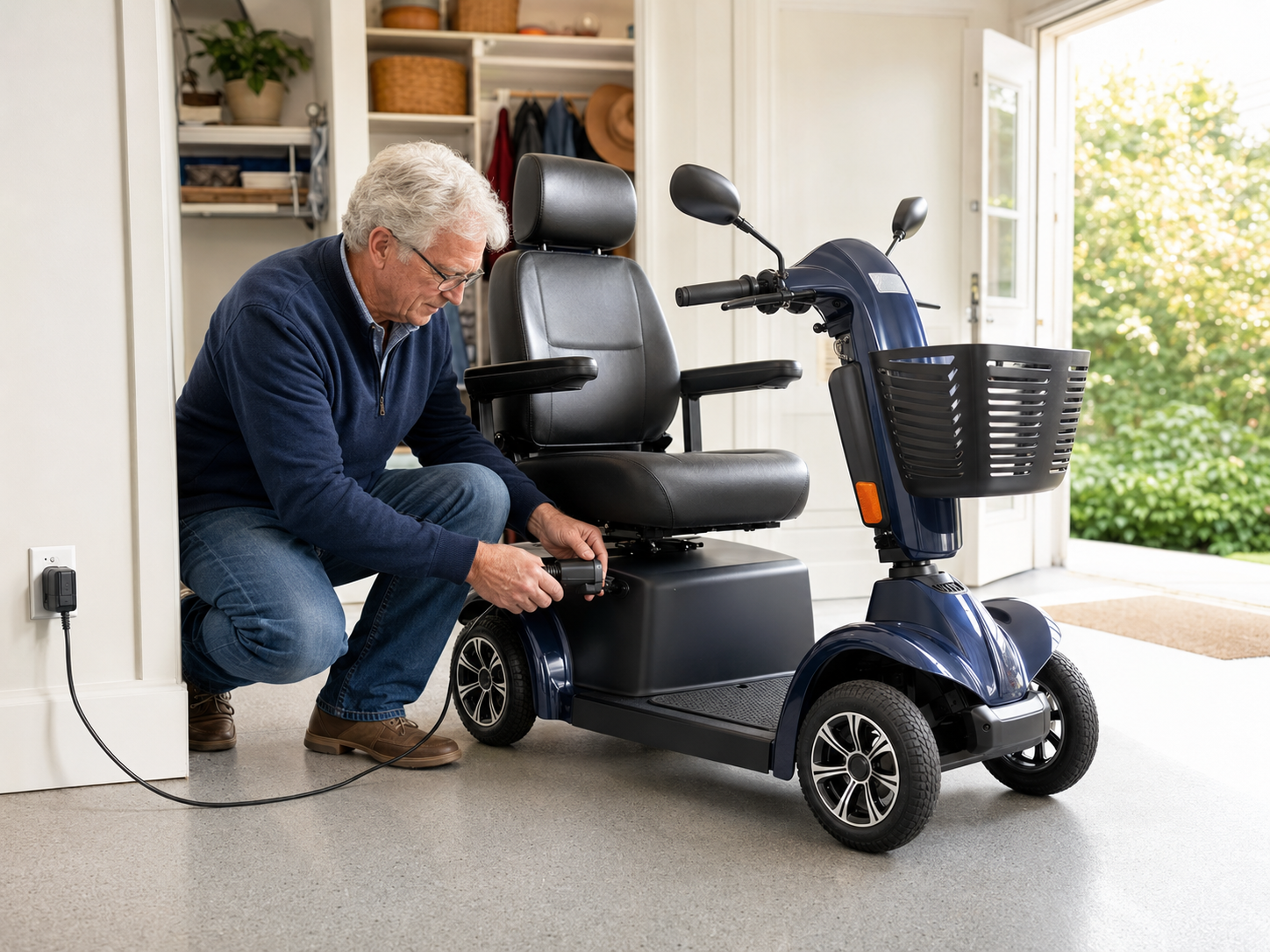
Lithium batteries are used in some portable mobility products, including the Q50 R Carbon and Go-Go Carbon. That does not establish a universal improvement in range, charging speed or winter performance. The Q50 R Carbon owner's manual explains that cold or hot temperatures, terrain, battery condition and other factors can reduce range. It also specifies an approved compatible charger and warns against charging a frozen battery.
As colder weather approaches in Southern Ontario, review the exact product's storage, charging and operating instructions. For more background, we recommend sitting down with an expert who can guide you through the process.
6. Home Accessibility Features Remain Model-Specific
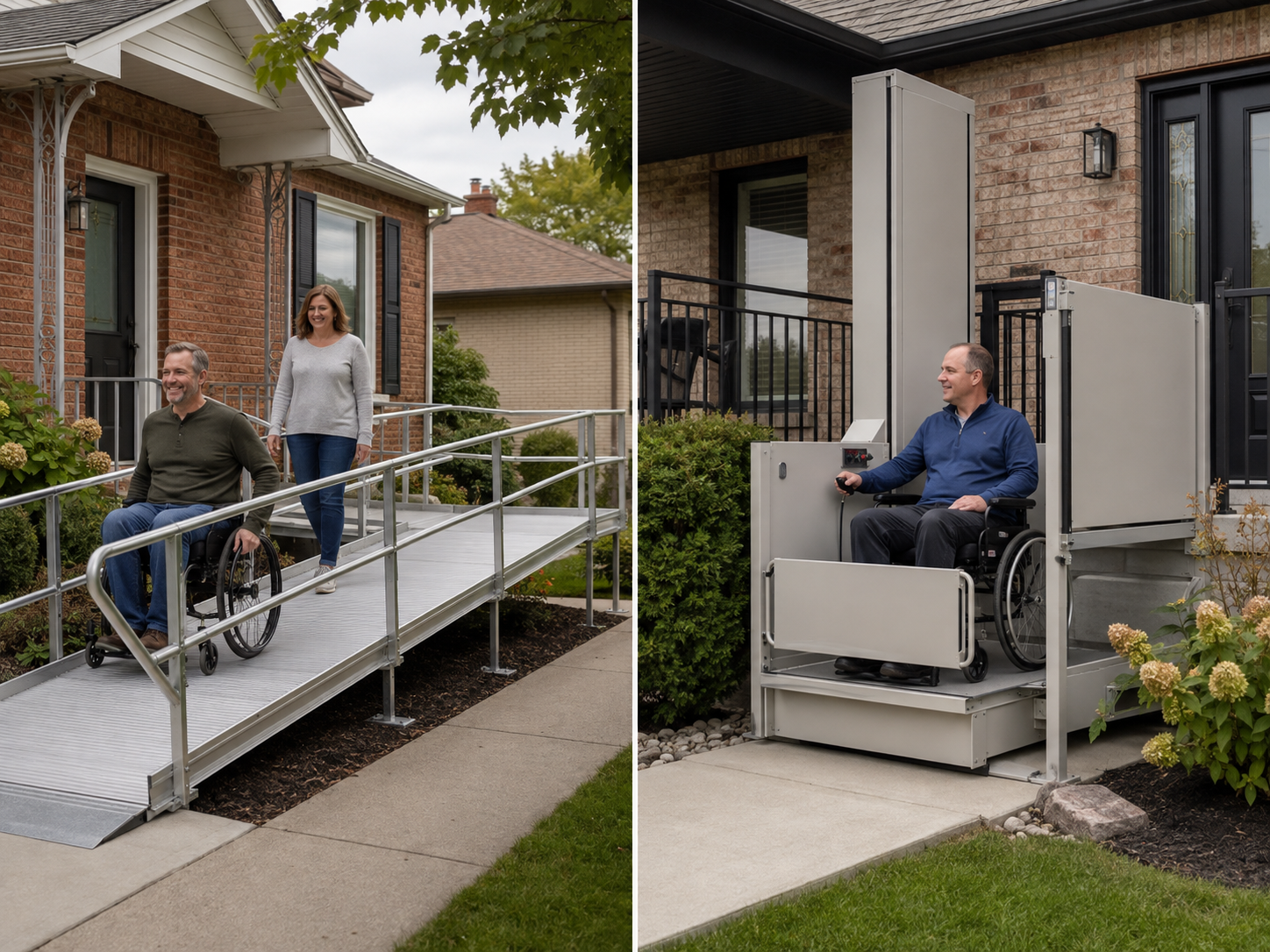
Current stairlift designs illustrate the value of comparing practical features. Savaria's K2 Plus lists continuous charging along the rail, diagnostic lights and a folding seat, arms and footrest. These are documented features of that model, rather than evidence that every stairlift has become smaller or smarter in 2026.
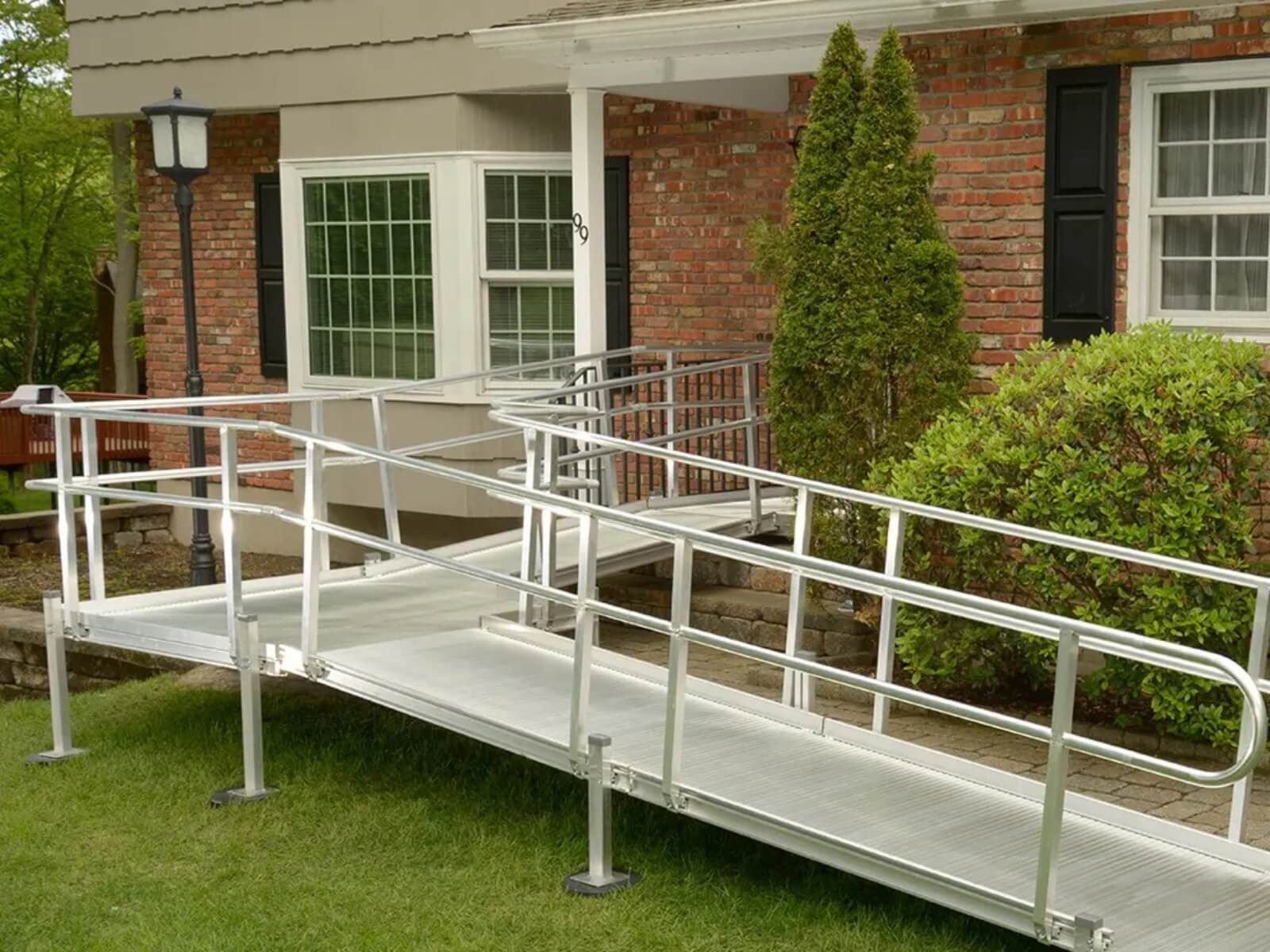
The home still needs to be assessed for the intended installation and the person's use. Reading further into a stairlift home-fit guide can help explain the key questions to consider before choosing equipment.
Discuss the Features That Matter to Your Routine
Bring your everyday priorities to the equipment discussion: where you travel, the seating support you need, how equipment will be transported and who will help with setup or care. Ask which features are available on the proposed Canadian model and what support and maintenance it requires.
Contact Universal Health Products to discuss mobility and accessibility options for your circumstances. Visit our showroom at 635 Tecumseh Road West, Windsor, or call (519) 258-6717 to speak with a member of our team.
Our Sources:
Source: Permobil's Canadian M5 Corpus information.
Source: Sunrise Medical's Q300 M Mini announcement.
Source: Sunrise Medical's Canadian Q50 R Carbon specifications.
Source: Pride Mobility Canada.
Source: Sunrise Medical's JAY LitePro announcement.
Source: Sunrise Medical's M90 compatibility guidance.
Source: Q50 R Carbon owner's manual, battery and range sections.