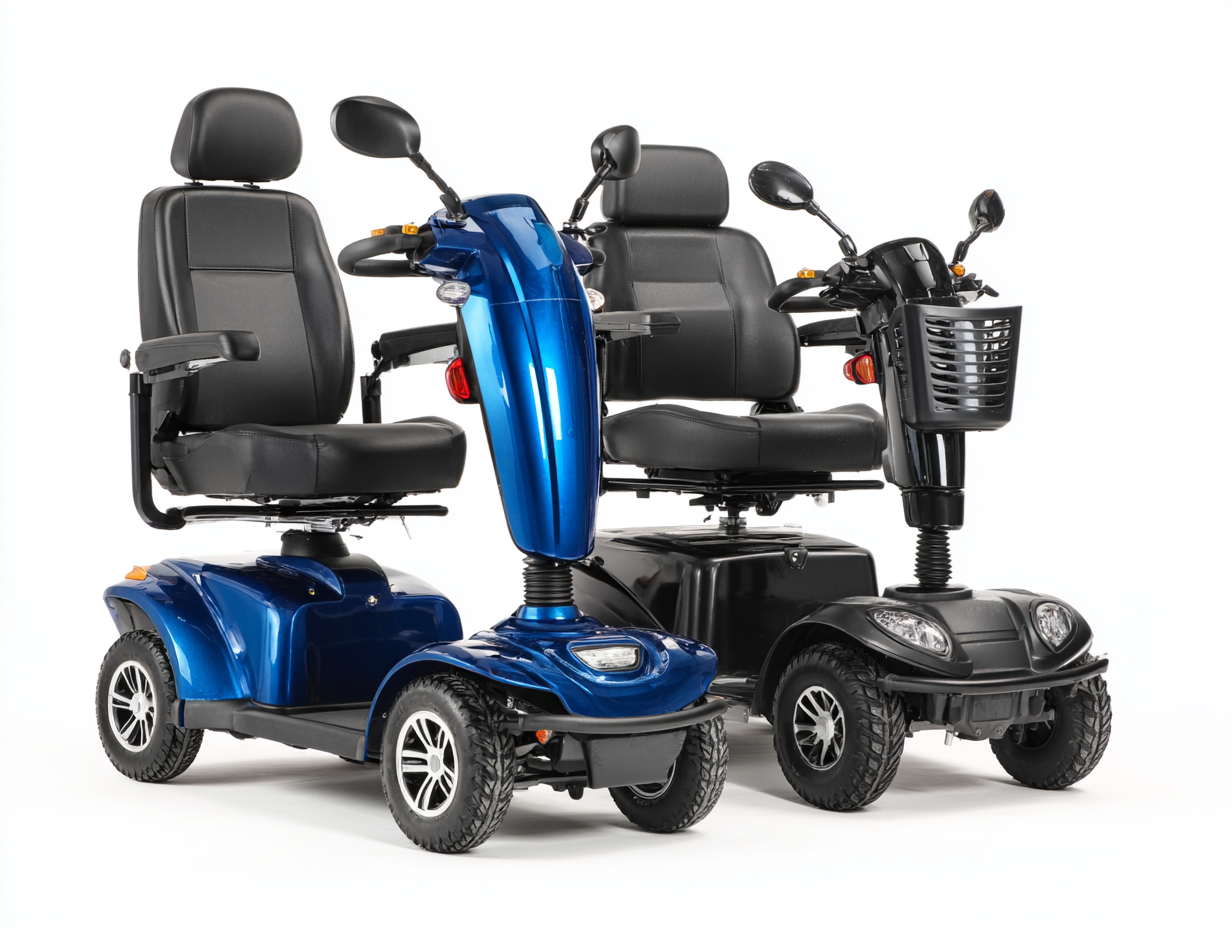
For individuals who rely on mobility equipment every day, battery performance isn’t just about convenience, it’s about independence. Whether you use a power wheelchair or scooter for errands, appointments, or daily living, proper mobility scooter battery care and wheelchair battery maintenance can make the difference between reliable performance and frustrating breakdowns.
At Universal Health Products, we regularly help clients in Windsor and surrounding communities understand how to protect their equipment investment and avoid unnecessary service issues. Here’s what every mobility user should know.

Understanding Your Mobility Battery System
Most power wheelchairs and mobility scooters use sealed lead-acid (SLA) or gel batteries designed for deep-cycle performance. Unlike car batteries, these are built to provide consistent power over longer periods rather than short bursts of high energy.
However, they still require proper care.
Common battery issues we see include:
- Reduced travel range
- Slow charging times
- Sudden power loss
- Shortened battery lifespan
The good news? Many of these issues are preventable with consistent wheelchair battery maintenance and smart charging habits.
Daily Charging Habits That Extend Battery Life
One of the most important aspects of mobility scooter battery care is developing consistent charging habits. Unlike older battery technologies that benefited from being fully drained before charging, modern deep-cycle wheelchair batteries perform best when they are charged regularly. Ideally, your power wheelchair or scooter should be plugged in every night, even if it was only used for a short period during the day. Allowing batteries to fully discharge before recharging can shorten their lifespan and reduce overall performance.
It’s also important to use only the manufacturer-approved charger and to allow the device to reach a full charge before unplugging. Keeping the charging area dry and well-ventilated further protects both the batteries and the electrical components. These small daily habits make a significant difference in long-term wheelchair battery maintenance.
Winter & Cold Weather Battery Care
Living in Windsor means dealing with cold winters, and temperature plays a major role in battery performance.
Cold weather can:
- Reduce overall battery range
- Slow charging efficiency
- Cause temporary voltage drops
To protect your batteries during winter:
- Store equipment indoors whenever possible.
- Avoid leaving your scooter in a cold vehicle overnight.
- Allow batteries to reach room temperature before charging.
- Schedule seasonal inspections to test battery health.
Cold-related strain is one of the most common causes of premature battery failure. Proper winter preparation can significantly extend lifespan.
Signs It’s Time for Battery Replacement
Even with proper wheelchair battery maintenance, batteries naturally degrade over time. Most mobility scooter and power wheelchair batteries last between one and a half to three years, depending on usage patterns, terrain, climate, and charging habits. As batteries age, users may begin to notice subtle changes before complete failure occurs. Travel range may decrease, inclines may feel more difficult to climb, and the battery gauge may drop more quickly than usual. In some cases, the device may show a full charge but still struggle to maintain power throughout the day.
If you experience unexpected shutdowns or noticeably reduced performance, it’s wise to schedule a professional battery assessment. Addressing these signs early helps prevent strain on motors and electronic systems while ensuring your mobility remains reliable.
Professional Testing & Preventative Maintenance
While home care is essential, professional inspections provide added protection. At Universal Health Products, we offer battery testing and equipment checks to ensure your mobility device is functioning safely and efficiently.
Professional assessments can:
- Measure true battery capacity
- Check charger performance
- Inspect wiring and connections
- Identify early signs of system wear
- Recommend proper replacement timing
Preventative maintenance often costs far less than emergency service calls or unexpected breakdowns. In terms of independance, mobility equipment represents more than technology, it represents freedom, autonomy, and quality of life. Prioritizing battery maintenance protects that independence.
By developing strong charging habits, protecting batteries from extreme temperatures, and scheduling regular inspections, you can extend battery lifespan, improve daily reliability and reduce long-term costs
Perhaps most importantly, you get to maintain confidence in your mobility device. It's the small preventative actions today that prevent major frustrations tomorrow.
Supporting Windsor’s Mobility Community
Universal Health Products is proud to support Windsor residents with expert guidance, mobility solutions, and dependable equipment service. Whether you need battery testing, replacement support, or advice on extending your equipment’s lifespan, our team is here to help.
Universal Health Products — helping you move forward with confidence, reliability, and independence.