Proper posture is one of the most important, yet often overlooked, aspects of wheelchair use. Whether someone uses a manual wheelchair, power wheelchair, tilt wheelchair, or pediatric chair, correct positioning plays a critical role in comfort, mobility, and long-term health.
At Universal Health Products, we regularly work with clients who experience discomfort, fatigue, or pain that can often be traced back to poor posture or improper seating. The good news is that with the right seating systems, supports, and adjustments, posture can be significantly improved for wheelchair users of all ages.
This guide explains why posture matters, what causes common positioning issues, and how modern seating solutions can help.
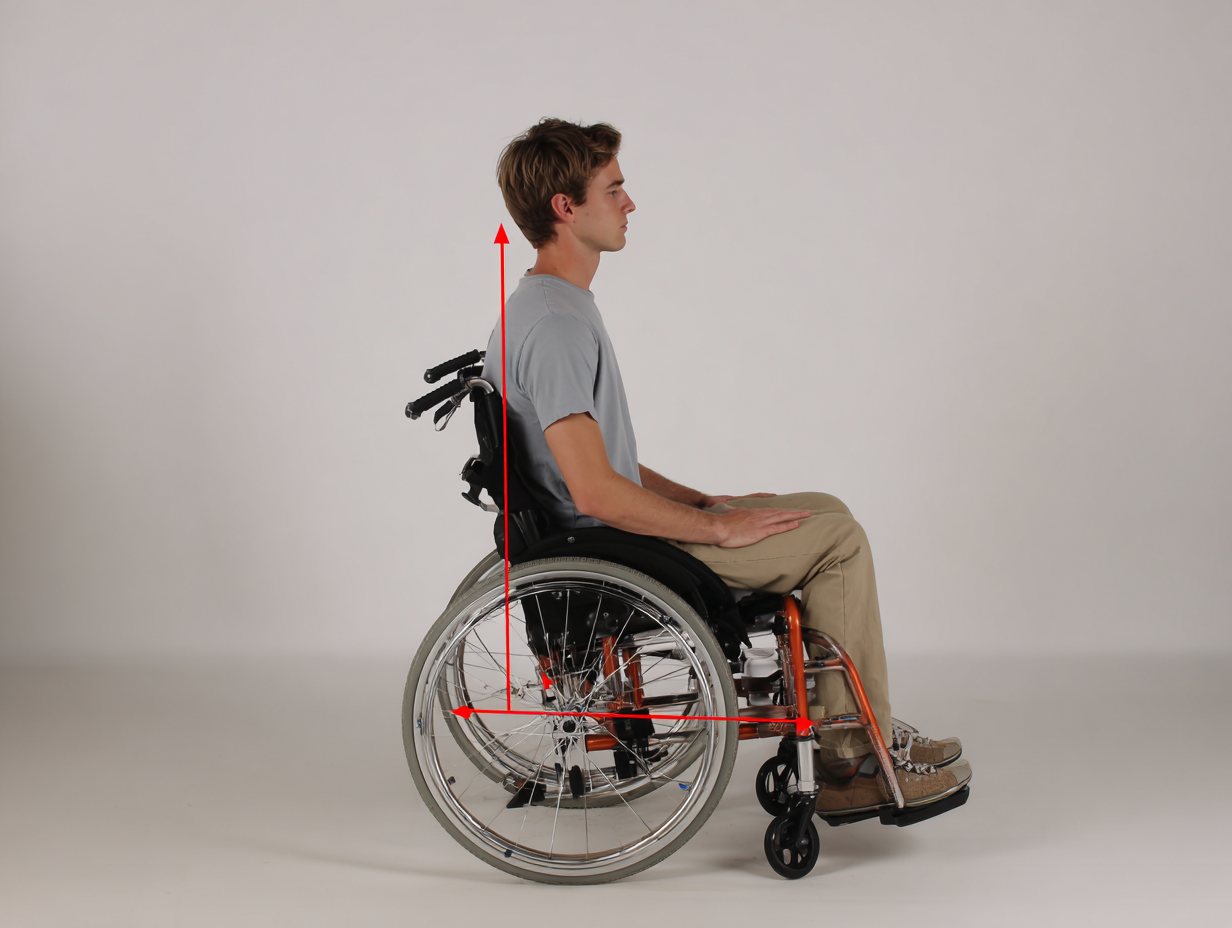
Why Proper Posture Matters in a Wheelchair
Maintaining healthy wheelchair posture is about much more than sitting up straight. Proper alignment helps support the spine, distribute pressure evenly, and allow the body to function as naturally as possible while seated.
When posture is poor, users may experience:
- Back, neck, and shoulder pain
- Increased pressure on the hips and tailbone
- Fatigue from unsupported muscles
- Difficulty controlling the wheelchair
- Increased risk of pressure injuries
Over time, improper posture can also lead to permanent changes in muscle tone and joint alignment, making mobility more challenging.
Common Causes of Poor Wheelchair Posture
Posture issues are rarely caused by one single factor. More often, they result from a combination of equipment and physical changes.
Common contributors include:
- A wheelchair that does not fit properly
- Worn or inappropriate cushions
- Lack of back support or lateral stability
- Changes in muscle strength or tone
- Growth changes in pediatric users
As needs evolve, seating should evolve too. What worked a year ago may no longer provide adequate support today.
The Role of Wheelchair Seating Systems
Modern wheelchair seating systems are designed to provide customized support rather than forcing the user to adapt to a generic chair. These systems work together to promote alignment, stability, and comfort.
Key components include:
- Seat cushions for pressure distribution and pelvic positioning
- Back supports that encourage upright posture
- Lateral supports to prevent leaning or collapsing to one side
- Headrests for neck support, especially in tilt or recline chairs
Cushions and Pelvic Positioning
The cushion plays a major role in posture. A cushion that is too soft, too firm, or incorrectly shaped can cause the pelvis to tilt, leading to slouching or uneven weight distribution.
Specialty cushions are designed to:
- Support the pelvis in a neutral position
- Reduce pressure on sensitive areas
- Improve comfort during extended sitting
- Accommodate asymmetries or postural challenges
Back Supports and Upper Body Alignment
Back supports help maintain spinal alignment and reduce fatigue. Standard sling backs often stretch over time, offering little real support.
Upgraded back systems provide:
- Contoured support for the spine
- Adjustable height and angle
- Improved trunk stability
- Better positioning for shoulders and arms
For users who lean forward or to one side, a proper back support can make a noticeable difference in comfort and control.
Additional Supports That Improve Posture
In some cases, additional accessories are needed to fine-tune positioning.
These may include:
- Lateral trunk supports to prevent side leaning
- Arm supports to reduce shoulder strain
- Shoe holders or foot positioning aids
- Headrests for users with reduced head control
Posture Considerations for Different Wheelchair Types
Posture principles apply across all wheelchair types, but the solutions may differ.
Manual wheelchairs often focus on lightweight cushions and supportive backs that allow efficient movement. Power wheelchairs may use advanced seating systems with tilt or recline to assist with pressure management and alignment. Pediatric wheelchairs require systems that adapt as the child grows, maintaining posture while supporting development.
The key is ensuring the seating matches both the chair and the user.
Final Thoughts
No two users are the same. That is why professional assessment is essential when addressing posture concerns. At Universal Health Products, we help clients evaluate their seating, identify issues, and explore solutions that match their needs.
Maintaining proper posture in a wheelchair is essential for comfort, health, and independence. With the right seating systems, supports, and adjustments, users can reduce pain, improve mobility, and enjoy better quality of life.
Universal Health Products is proud to support Windsor residents with expert guidance and customized wheelchair seating solutions designed to meet real-world needs.
📍 Visit us at:
635 Tecumseh Road West, Windsor, Ontario N8X 1H4
📞 Call us at:(519) 258-6717
Universal Health Products, helping you sit comfortably, safely, and confidently.