Supporting a child’s mobility is about far more than equipment, it’s about helping them explore, develop confidence, and participate fully in everyday life. Pediatric mobility solutions play a critical role in physical development, independence, and long-term well-being, especially when they are chosen and adjusted to match a child’s growth and changing needs. For families navigating mobility challenges, understanding the options available and when to adapt them can make a lasting difference.
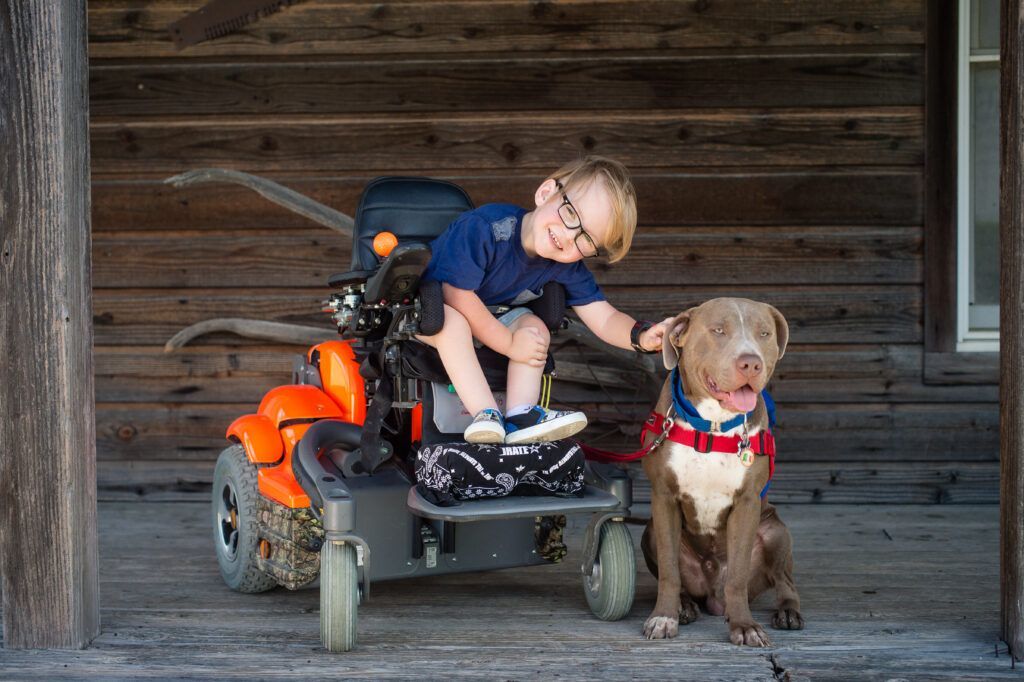
Why Pediatric Mobility Support Is So Important
Children experience rapid physical, cognitive, and emotional development. When mobility is limited, it can affect posture, muscle development, social engagement, and even learning opportunities. The right mobility solution doesn’t just help a child move, it supports healthy alignment, encourages participation, and reduces fatigue and strain for both the child and caregivers.
Early access to properly fitted mobility aids for children can also help prevent secondary issues such as joint pain, poor posture, or muscle imbalance. Just as importantly, mobility equipment should empower children to interact with their environment safely and confidently, whether at home, at school, or in the community.
Mobility Needs Change as Children Grow
One of the most important aspects of pediatric mobility is flexibility. A solution that works well today may not be suitable next year, or even six months from now. Growth spurts, changes in strength, and evolving functional goals all influence what type of support is needed.
As children develop, their mobility needs often progress through several stages, including:
- Early intervention solutions, such as pediatric walkers or gait trainers, which encourage movement and exploration while providing stability
- Manual or power wheelchairs that support increased independence as children grow older
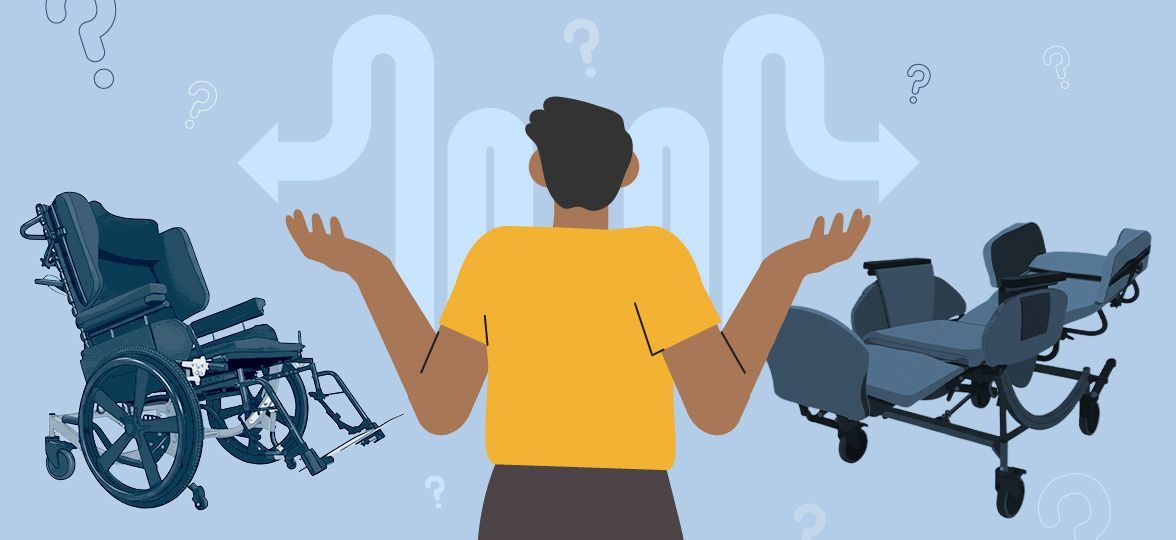
- Advanced seating and positioning systems that accommodate physical changes during adolescence
- Customized frames and supports designed to balance posture, comfort, and functional ability
Planning ahead and working with experienced providers helps ensure equipment can be adjusted or upgraded as a child grows, reducing the need for frequent replacements and supporting long-term comfort and development.
Seating, Positioning, and Postural Support
Proper seating is the foundation of effective pediatric mobility. Children require seating systems that promote healthy posture while remaining comfortable enough for extended use. This often includes adjustable cushions, back supports, lateral supports, and headrests designed specifically for smaller bodies.
Good positioning supports breathing, digestion, and circulation, while also improving functional abilities such as reaching, learning, and communication. A well-designed seating system can significantly reduce fatigue and discomfort, allowing children to focus on being kids, playing, learning, and engaging with others.
Supporting Families and Caregivers
Pediatric mobility solutions should support the entire family, not just the child. Equipment that is thoughtfully designed can reduce physical strain, simplify daily routines, and make long-term care more manageable.
Well-chosen pediatric mobility equipment can offer caregivers several important benefits, including:
- Easier day-to-day handling, thanks to lightweight frames and foldable or transport-friendly designs
- Reduced physical strain, with ergonomic features that minimize lifting, pushing, and awkward positioning
- Simpler adjustments, allowing seating, supports, and positioning to be modified as a child grows
- Improved safety, with stable designs that help reduce the risk of falls or improper positioning
- Greater peace of mind, knowing the equipment supports both comfort and healthy development
Equally important is education. Families benefit from understanding how to use equipment correctly, recognize when adjustments are needed, and plan ahead for future transitions as their child’s mobility needs evolve.
The Value of Local Expertise and Personalized Care
Choosing pediatric mobility equipment is not a one-size-fits-all process. Each child has unique needs, goals, and challenges that must be carefully considered. Working with knowledgeable providers who understand clinical best practices, funding options, and local resources ensures families receive guidance they can trust.
For families seeking pediatric mobility Windsor support, access to experienced professionals who can assess, fit, and adjust equipment locally provides peace of mind. Personalized care helps ensure children receive solutions that truly support their development, not just now, but for years to come.
Building Confidence, Independence, and Opportunity
The right pediatric mobility solution does more than improve movement, it opens doors. It allows children to participate in school activities, socialize with peers, and develop independence at their own pace. When mobility challenges are addressed thoughtfully, children gain the freedom to focus on growth, learning, and enjoying life.
Universal Health Products is proud to support with expert guidance and customized pediatric mobility solutions designed to meet real-world needs. We'd love to hear from you.